






Sauna Error Codes: What They Mean and How to Fix Them
Most sauna error codes point to one of three things: a temperature sensor that is open, shorted or unplugged, an overheat protection that has tripped, or a communication fault between the control and the heater. Start by writing down the exact code and the heater and control model. Then power the system off at the breaker for 30 to 60 seconds, check the sensor connections, and restart. If the code returns, the code tells you which part to inspect.
This guide covers the codes owners see most often, what each family of codes usually means, a step-by-step order for checking, and the situations where you should stop and bring in a licensed electrician.
TL;DR
- Error codes are brand and model specific. The same letters can mean different things on different controls, so confirm against your control’s manual.
- Codes such as E1, E2, E3 and “-L” most often relate to the temperature sensor circuit: a loose plug, a damaged wire or a failed sensor.
- Overheat or high-limit codes mean the heater shut itself down for protection. Find the cause before you reset it.
- Do a full power cycle of 30 to 60 seconds first. Many control glitches clear this way.
- Never bypass a sensor or a high-limit device. Hardwired heater work belongs to a licensed electrician.
Table of Contents
- Why saunas show error codes at all
- Common sauna error codes and what they usually mean
- Check in this order
- Error codes versus a breaker that trips
- Infrared saunas and other formats
- Smells, smoke and sparks: stop first, diagnose later
- When to hire an electrician
- Our perspective: prevent most codes before they appear
- Need a replacement control, sensor or heater?
- FAQ
- Sources
Why saunas show error codes at all
An electric sauna heater is a high-load appliance. A typical residential unit runs on a dedicated 240-volt circuit and heats a small insulated room to 150 to 195°F. The control keeps that room in range by reading a temperature sensor, usually mounted high on a wall, and switching the heater contactor on and off. A second sensor or a mechanical limit device watches for overheating.
When the control cannot read a sensor, or reads a value that makes no sense, it stops heating and shows a code. That is the design working. The control would rather leave you with a cold sauna than guess the temperature.

The practical result: the code is rarely about the heater element itself. In most cases the first suspects are the cheapest and easiest to reach: a connector, a cable, a sensor, or the control board.
Common sauna error codes and what they usually mean
Codes are set by the manufacturer. Treat the table below as a map of the typical families, not a replacement for your model’s manual.
| Code or display | Typical meaning | First thing to check |
|---|---|---|
| E1 | Temperature sensor circuit open or not reading | Sensor plug seated at control and heater, wire not cut or pinched |
| E2 | Temperature sensor circuit shorted | Wire insulation, staples through cable, moisture at the connector |
| E3 | Overheat or limit sensor circuit fault | Limit sensor connection and cable, heater thermal limit |
| E9 | Communication or sensor fault, depending on model | Data cable between control and power unit, then sensor |
| -L | Sensor reading low or sensor disconnected | Sensor wiring and thermistor |
| EE | Memory or internal control fault on some digital controls | Full power cycle, then control board |
| OH, OHH, OHS | Overheat condition | Cause of heat buildup, then reset limit device |
The codes E1, E2, E3 and E9 are a good example of why brand matters. A repair video of a heater paired with a digital keypad shows the control displaying
on a sauna that would not heat at all, which is typical of a sensor circuit or wiring problem rather than a failed heater. For a model-specific breakdown, our guide to Harvia error codes E1, E2, E3 and E9 explains what each one means and what to do.
Check in this order
Work from the simplest fix to the most involved. Do not skip ahead, and do not open the heater’s wiring compartment unless you are qualified to do so.
1. Record the code and the conditions
Note the exact code, whether it appeared at startup or mid-session, and whether it came after a change such as a power outage, cleaning, a water spill or a recent electrical job. Intermittent faults often have a clear trigger, and the trigger saves time.
2. Power cycle for 30 to 60 seconds
Switch the sauna off at the control, then at its breaker. Wait 30 to 60 seconds so the control fully discharges, then restore power. This clears many glitches. Our write-up on control troubleshooting with a 30 to 60 second power cycle covers what to do when the reset does not hold.
3. Check the control’s settings
A “heater will not start” complaint is often not an error at all. Confirm the thermostat is set above room temperature, the timer or session is active, and any remote or standby switch is on. A control wired incorrectly or a tripped high-limit control will also keep a heater from starting, which is why the settings check comes before you suspect parts.
4. Inspect the sensor and its wiring
With power off, look at the sensor on the wall and follow its cable. You are looking for:
- A plug that has worked loose at the control or the heater
- A cable that was crushed, stapled, cut during a wall repair or chewed by a pest
- Discoloration or corrosion at the connector, which suggests moisture
- A sensor that was never connected. This happens in new builds where the electrician ran power but did not install the sensor
A reseated connector is the most common fix. If you see any damage to insulation, replace the cable or sensor rather than taping it.
5. Look for an overheat cause
If the code points to overheat, the heater tripped on purpose. A reset button or power cycle may restore function, but it does not remove the cause. Common reasons include:
- Towels, clothing or buckets placed on or too close to the heater
- A heater guard missing or fitted wrong, which changes clearances. See our guide on fitting a sauna heater guard safely
- Too many stones packed too tightly, restricting airflow
- A sensor mounted in the wrong place or reading too low, so the control keeps heating
- A heater that is too large for the room volume
6. Test, replace or call
If the sensor, wiring and settings check out and the code returns, the likely culprits are a failed sensor, a failed control board or a failed power unit. Sensors are inexpensive and usually plug in. Control and power unit replacement is a bigger job, and anything inside the heater’s electrical enclosure should be handled by a licensed electrician.
Error codes versus a breaker that trips
A tripping breaker is not an error code, but owners often mix the two. A code appears when the control detects a problem. A breaker trips when current exceeds what the circuit allows. The timing gives clues: a breaker that trips the instant the heater starts points somewhere different than one that trips after 15 or 20 minutes of heating.
Sauna circuits are sized with the National Electrical Code’s continuous-load rule in mind, which our article on sauna breaker trips and the NEC 125% rule explains in plain language. If your heater was swapped for a larger model without a circuit review, the breaker may be undersized. That is a job for an electrician, not a bigger breaker swapped in by guesswork.
Infrared saunas and other formats
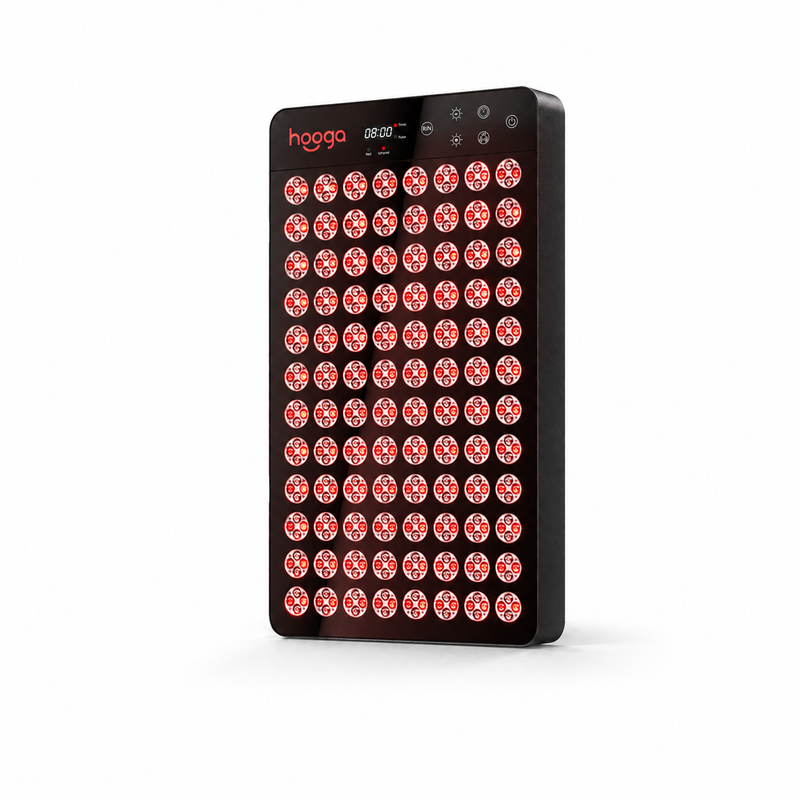
Infrared cabins use panels and a digital control, and their codes tend to concern the control board, the panel connection or the temperature probe. The same method applies: power cycle, check the connectors at the control and the panels, and inspect for pinched wires inside the cabin. If one panel is cold while the others work, a panel connector is the first thing to check.
Steam generators and combination units add a water-level or steam-temperature sensor to the list. A water-related code means checking supply, drain and scale before you suspect the control. Wood-burning stoves have no electronic codes at all, so for those the troubleshooting is about draft, fuel and chimney.
Smells, smoke and sparks: stop first, diagnose later
Some conditions are not for troubleshooting. Cut power at the breaker and call a professional if you see or notice any of the following:
- Burning plastic or electrical odor that continues past the first few sessions of a new heater. A new heater can smell for the first 2 to 3 sessions as manufacturing residue burns off, as covered in our article on what sauna heater smells are normal
- Smoke, sparks or visible scorching at the control, plug or heater
- Water inside the heater’s electrical compartment. Heaters and water do not mix, and our guide to using water on a sauna heater safely explains what is acceptable
- A breaker that trips repeatedly with the control showing no code
Never bridge, bypass or disable a high-limit device or sensor to get the heater running. Those parts exist to prevent fires.
When to hire an electrician
You can reasonably do the plug-level checks, the power cycle and the settings review. Anything beyond that is electrical work: opening the heater’s wiring box, replacing a contactor or power unit, changing the circuit or breaker. Hardwired work on a 240-volt circuit also often requires a permit and inspection depending on your local code.
Before booking someone, read our checklist of four questions to ask before hiring a sauna electrician. Having the code, the model numbers and your list of checks ready cuts the visit time. If you are replacing a heater altogether, the step-by-step heater installation guide shows what the job involves.

Our perspective: prevent most codes before they appear
At Sauna Heater Supply, we see the same pattern in support questions. The code itself is rarely the hard part. The hard part is that the owner has no manual, no model number and no record of how the sauna was wired. A few habits remove most of that friction:
- Photograph the heater’s rating plate and the control’s label on the day of installation, and keep the manuals with them.
- Confirm that the sensor is installed where the manufacturer specifies, and that its cable is routed away from the heater’s hot zone.
- Match the heater to the room volume. An oversized heater cycles hard and trips limits. An undersized one runs flat out and wears quickly.
- Keep the heater clear of towels and loose objects, and fit the guard that suits your model.
- For commercial rooms, schedule inspections of sensors, contactors and wiring rather than waiting for a code. Our guide to commercial sauna maintenance outlines a routine for facility managers.
When a code does show up, we would rather you contact us with the model and the code than guess at a part. Sensors, controls and replacement parts are cheap compared to a wrong diagnosis. Our job is to match the right component to your specific heater.
— Teddy
Need a replacement control, sensor or heater?
If your checks point to a failed part, or the heater is past repair, we can help you pick the right replacement for your room size, voltage and control type. We carry electric, wood-fired and gas heaters, controls and parts for residential and commercial saunas, and we are an authorized reseller with a price match guarantee and 24/7 support. Browse our sauna heaters, or give us the model and code and we will point you to the compatible part.

If you are planning a new room rather than repairing one, see our saunas collection. For smart control and remote monitoring on a compatible setup, the Saunum AirIQ Wi-Fi is worth a look.
FAQ
Can I reset a sauna error code myself?
Often yes. Switch the sauna off at the control and breaker, wait 30 to 60 seconds, then power it back on. If the code clears and stays away, it was likely a glitch. If it returns, treat it as a real fault and inspect the sensor and wiring.
Why does my sauna say E1 and won’t heat?
On many controls, E1 points to the temperature sensor circuit: an open wire, a loose plug or a failed sensor. Reseat the connectors with power off and look for damaged cable. Check your control’s manual, since meanings differ by brand and model.
What does an overheat code like OH mean on a sauna?
It means the system detected unsafe temperature and shut the heater down. Look for blocked airflow, items on the heater, a misplaced sensor or an oversized heater before you reset it. If it trips again, have an electrician inspect it.
Is it safe to bypass the sensor to keep using the sauna?
No. The sensor and high-limit device are the heater’s safety system. Bypassing them removes the protection against overheating and fire. Replace the faulty part instead.
Do I need an electrician to fix an error code?
Not always. Power cycling and checking plug connections are owner-level tasks. Work inside the heater’s electrical enclosure, on the 240-volt circuit or on the breaker needs a licensed electrician.