











How to Safely Use Water on a Sauna Heater
Yes, you can pour water on an electric sauna heater — but only when the heater is specifically designed for steam, the stones are properly loaded and fully heated, and you use small, measured amounts. Pouring water on a heater not rated for steam risks electric shock, fire, and immediate warranty voidance.
Three conditions must all be true before you add any water:
- The heater is rated for steam or wet use. This must be stated explicitly in the owner’s manual or on the spec plate — not assumed.
- The stones are hot and properly loaded. Water must vaporize on contact. If stones are cool, water pools at the base and corrodes internal components.
- You use small, measured pours. Roughly 50–100 ml per ladle is the standard safe range for most residential electric steam heaters.
Check your manual before the first pour. Misuse is one of the most common warranty exclusions manufacturers cite, and it applies even when damage appears unrelated to water.
Key Takeaways
Pouring water on a sauna heater is safe only when the heater is rated for steam, stones are fully heated, and pours stay within the 50–100 ml per ladle range recommended by manufacturers.
| Point | Details |
|---|---|
| Confirm steam rating first | Check the owner’s manual for explicit “steam” or “wet use” language before any water use. |
| Use 50–100 ml per ladle | This is the standard safe range for residential electric steam heaters; wait 30–60 seconds between pours. |
| Never pour on infrared or dry-only heaters | Water on exposed elements causes electrical shorts, fire risk, and immediate warranty voidance. |
| Inspect stones after every session | Remove cracked or powdering stones; replace the full stone bed every two to three years for residential use. |
| Saunaheatersupply for steam-ready options | Saunaheatersupply stocks certified steam-capable heaters, approved stones, and accessories with expert compatibility support. |
Table of Contents
- How to tell if your electric heater is built for steam
- What actually happens when you pour water on sauna stones
- Step-by-step: how to pour water safely every time
- How much water to use and how often
- Choosing the right tools and water for steam sessions
- Risks and safety warnings you need to know
- Post-session maintenance to protect your heater
- Research and safety context behind these recommendations
- Saunaheatersupply’s perspective on safe steam use
- Sources
How to tell if your electric heater is built for steam
Not every electric sauna heater is designed to accept water, and the difference is not always obvious from the outside. The clearest confirmation is language in the owner’s manual or spec sheet: look for the words “steam,” “wet use,” or “löyly” (the Finnish term for sauna steam). If those words are absent, treat the heater as dry-only.
Physically, a steam-capable heater has a dedicated stone well or tray that surrounds and protects the heating elements. The elements themselves sit behind guards or are fully embedded in the stone bed — you should not be able to see open coils where water could directly contact metal. Models like the Harvia Kip45W Heater Package include stones and are explicitly configured for wet use, which removes the guesswork.
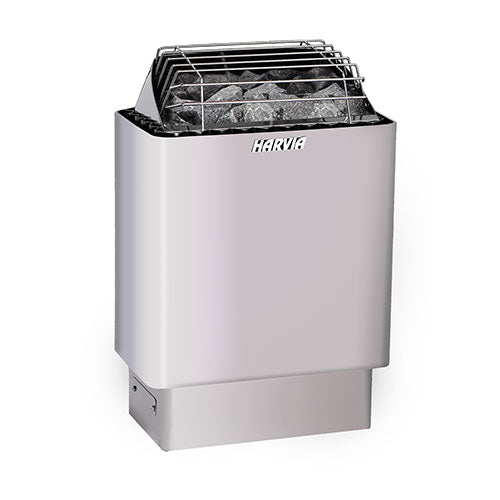
Certification marks matter too. Look for UL or ETL listings on the nameplate, and check whether the manufacturer sells or specifies approved stones for that model. A heater sold without stones and with no stone capacity listed in the spec sheet is almost certainly not designed for steam.
Pro Tip: If you are unsure, photograph the model label and spec plate, then contact the manufacturer or Saunaheatersupply’s technical support before pouring. A two-minute call prevents a costly mistake.
What actually happens when you pour water on sauna stones
The Finnish concept of löyly describes the burst of steam and perceived heat that follows a water pour. When water hits stones hot enough to vaporize it instantly, it converts to steam and raises the room’s relative humidity sharply. Your skin registers this as a significant increase in temperature even when the air temperature itself has not changed — because humid air transfers heat to the body more efficiently than dry air.
That immediate vaporization is the key. Stones must be hot enough to vaporize water on contact; if they are not, water runs off the stone bed, pools at the heater base, and begins corroding electrical components. Dense volcanic stones — olivine diabase is a commonly recommended type — hold thermal mass well and distribute heat evenly, which is why stone selection and arrangement affect both steam quality and heater longevity.
Infrared heaters and non-steam electric panel heaters behave entirely differently. They produce radiant heat without a stone bed, and water poured on them contacts exposed elements directly. The result is a short-circuit risk, not steam.
Common long-term consequences of improper water use include:
- Mineral deposits forming on stones and element guards, reducing heat transfer
- Stones cracking or splintering from thermal shock, especially if poured while still cold
- Element corrosion from repeated water contact or pooling
- Tripped safety devices or breaker faults from moisture reaching electrical components
Peer-reviewed research on sauna physiology notes that rapid changes in humidity and temperature alter cardiovascular strain, which supports conservative steam dosing — particularly for users with heart conditions or those new to sauna bathing.
Step-by-step: how to pour water safely every time
Follow this sequence for every session that includes water.
- Confirm the heater is rated for steam and stones are fully heated. Allow 30–45 minutes of preheat time. Test readiness with a few drops from your fingertip — they should vaporize immediately with a sharp hiss. If they pool or run off, wait longer.
- Prepare your tools and position yourself correctly. Use a wooden ladle and a dedicated bucket placed on the bench beside you, not on the floor near the heater. Warn other bathers before each pour so no one leans toward the heater.
- Pour with a controlled trickle, not a dump. Ladle only small splashes and aim for the stone surface, not the gaps between stones or the element guards. Hold the ladle 6–8 inches above the stones and tilt slowly. Never use your hand.
- Wait 30–60 seconds between ladles. This lets the stones recover their surface temperature. Watch the base of the heater after each pour — no water should appear there.
Safety checkpoints during the session:
- Stop immediately if you see water pooling at the heater base.
- Exit and ventilate if you smell burning or notice any sparks.
- Cut power at the breaker before inspecting the heater after any unusual event.
Pro Tip: Keep your face and hands well back from the stone bed when pouring. Steam rises fast and can cause a scald injury in the first second after contact.
How much water to use and how often
The standard safe range for most residential electric steam heaters is roughly 50–100 ml per ladle — about half to one standard wooden ladle. Heater size and stone capacity affect this directly.
| Sauna size | Suggested pour volume | Interval between pours |
|---|---|---|
| Small home sauna (small residential unit) | 50 ml (half ladle) | 45–60 seconds |
| Medium home sauna (medium residential unit) | 50–100 ml (one ladle) | 30–45 seconds |
| Large or commercial sauna | Follow manufacturer spec | Per manufacturer guidance |
A few practical rules:
- Never exceed the manufacturer’s stated maximum per session. When that figure is not listed, stay at one ladle per pour and no more than four to six pours per session for a residential unit.
- Larger pours increase runoff risk and can push moisture into electrical components, voiding the warranty.
- Only pour water on a heater specifically designed for steam; the volume guidance above does not apply to infrared or dry-only models.
Choosing the right tools and water for steam sessions
The tools you use affect both safety and steam quality. A wooden ladle is standard — metal conducts heat and risks burns. Your bucket should be dedicated to sauna use only, emptied and dried after every session to prevent bacterial growth and mineral residue.
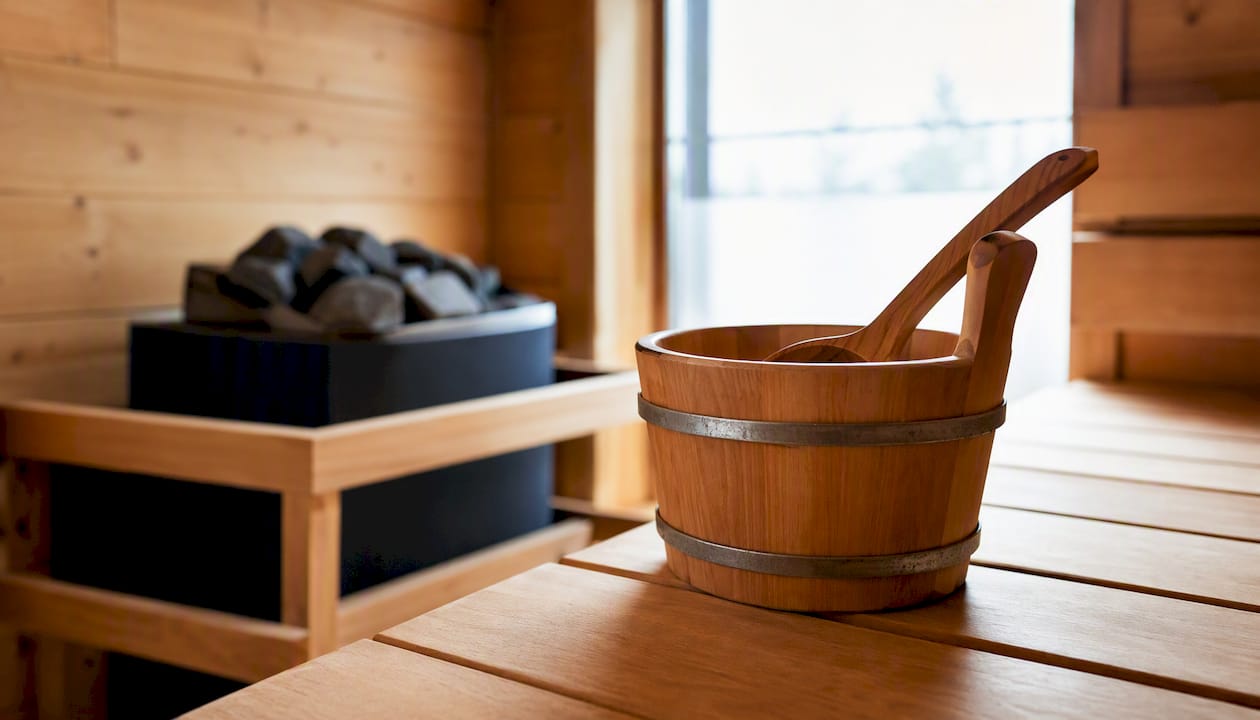
A wall-mounted thermometer and hygrometer, such as those in the SaunaLife Bucket, Ladle, Hygrometer and Thermometer set, let you track temperature and humidity so you can gauge when another pour is appropriate without guessing.
Water quality:
- Use clean tap water in most cases. In hard-water areas, filtered or distilled water reduces mineral buildup on stones and element guards.
- Avoid chlorinated pool water or water with chemical additives.
Essential oils:
- Never pour undiluted essential oils directly onto stones. They are volatile and can ignite on contact with hot surfaces.
- If your heater manual explicitly approves aromatherapy, mix a few drops into the bucket water first so they are properly diluted before the pour reaches the stones.
- When the manual is silent on oils, skip them entirely.
Risks and safety warnings you need to know
The most serious risk is pouring water on a heater not rated for steam, and maintaining guest safety through proper staff training is paramount in commercial operations like those described in What Is Guest Experience? A Guide for Hospitality Pros – Wild Foodz by Hotel Entree Brugge. Water contacting exposed heating elements can cause an electrical short, a fire, or a shock hazard. This is not a theoretical edge case — it is the scenario manufacturers design their warranty exclusions around.
During a session, watch for these warning signs:
- Continuous runoff at the heater base. Stop pouring immediately. Water reaching the base means the stones are not vaporizing it, and moisture is contacting internal components.
- Steam that smells of burning or plastic. Exit the sauna, ventilate, and cut power at the breaker.
- Visible sparks or a tripped breaker. Do not re-enter until a licensed electrician has inspected the unit.
- Cracked or fragmenting stones. Stones that have absorbed water while cold and then heated rapidly can crack or eject fragments. Remove cracked stones before the next session.
If something goes wrong: stop pouring, move everyone away from the heater, open the sauna door to ventilate, cut power at the breaker, and call a licensed electrician before using the sauna again. Do not attempt to inspect a wet heater while it is energized.
On warranty: pouring water on a non-steam-rated heater voids coverage. Document your model number and spec plate before filing any claim.
Post-session maintenance to protect your heater
A short inspection after each water session prevents the gradual damage that shortens heater life.
- Let the heater cool completely before touching stones or inspecting the interior.
- Check stones for cracking, powdering, or discoloration. Cracked stones should be removed and replaced. Powdering stones are breaking down and will shed debris into the heater.
- Look inside the heater base for any standing water or mineral residue. Wipe mineral deposits from element guards with a dry cloth once the unit is cool and unpowered.
- Rearrange stones periodically to promote even airflow and prevent hot spots. For residential use, a full stone replacement every two to three years is a reasonable baseline; commercial saunas with heavy daily use may need annual replacement.
- Keep a log of your heater’s model number, serial number, stone replacement dates, and any service calls. This record is valuable for warranty claims and for troubleshooting recurring issues.
Call a service technician if you notice visible corrosion on element guards, water pooling repeatedly after sessions, unusual noises during heating, or repeated tripping of the heater’s safety cutoff.
Research and safety context behind these recommendations
The safety guidance in this article aligns with both manufacturer consensus and peer-reviewed physiological research. A review of sauna bathing health effects supports caution when dramatically increasing humidity or temperature, particularly for users with cardiovascular conditions — a direct argument for small, controlled pours rather than large dumps that spike humidity rapidly.
Manufacturer guidance from heater makers consistently reinforces the same core points: stones must be hot, pours must be small, and the heater model must be rated for wet use. The Saunaheatersupply best practices guide covers model compatibility checks and pouring technique in practical detail for customers who want to verify their specific unit before the first session.
Pro Tip: Users with heart conditions, high blood pressure, or other cardiovascular concerns should consult a physician before using steam sauna sessions, as rapid humidity increases add measurable heat stress.
Saunaheatersupply’s perspective on safe steam use
At Saunaheatersupply, the consistent recommendation is straightforward: confirm your heater’s steam rating first, use measured pours, and follow the manufacturer’s maintenance schedule. Every steam-capable heater in the catalog is selected with stone compatibility and wet-use certification in mind, so customers are not left guessing about what their unit can handle.
For readers who are upgrading or building a new sauna, the IKI Pillar 9kW with WiFi controller and the Saunum Air 7 Sauna Heater Package are both configured for steam use with approved stones included or specified. The Saunum Air L 15 Package suits larger residential or light commercial installations where stone capacity and consistent steam output matter most.
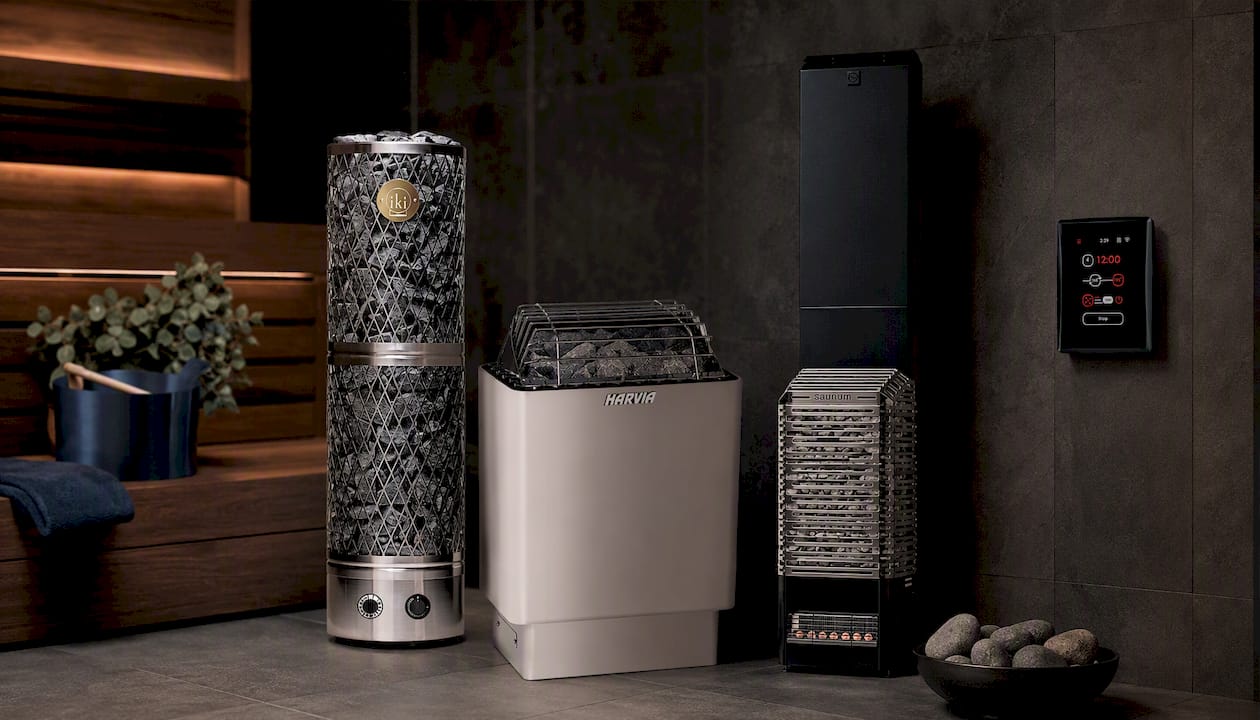
If you are unsure whether your current heater supports water use, contact Saunaheatersupply’s technical support with your model number and spec plate. The team can confirm compatibility, recommend approved stones, and point you to the right accessories — including ladles, buckets, and hygrometers — before you pour a single drop. Browse the full range of steam-capable sauna heaters to find the right fit for your space.
Sources
The following resources provide manufacturer guidance, installation references, and peer-reviewed research for readers who want technical detail beyond this article.
Manufacturer and product guidance:
- Can you pour water on an electric sauna? - HUUM
- Is it ok to pour water on the sauna stones? - Narvi Oy
- Can I Ladle Water On Sauna Rocks? | Cedarbrook Sauna + Steam
- NCBI PMC article PMC3607906
- NCBI PMC article PMC3612440
Saunaheatersupply resources:
Peer-reviewed safety literature:
Recommended
- Can You Pour Water on an Electric Sauna? Best Practices Guide — Sauna Heater Supply
- Sauna Heater Installation: Step-by-Step Guide for Homeowners — Sauna Heater Supply
- Traditional Sauna Electrical Requirements: 2025 Guide — Sauna Heater Supply
- Sauna Temperature Range: Safe Zones and Health Benefits — Sauna Heater Supply