









$2,800–$11,000: What U.S. Homeowners Pay to Install a Steam Room
A residential steam room typically runs $2,800 to $11,000 with an average near $5,000, while custom builds can climb past $14,000. Prefab steam shower conversions land at the lower end of that range; fully tiled custom rooms with dedicated generators sit at the top. The biggest swing factors are permits, electrical panel upgrades, and any demolition or moisture remediation the space requires. Sauna Heater Supply sees this pattern in nearly every project quote homeowners bring us.
TL;DR:
- The total cost of a residential steam room typically ranges from $2,800 to over $14,000, depending on size, finishes, and customization level.
- Key cost drivers include generator capacity, waterproofing quality, and finish materials like stone or glass, which can significantly raise the price.
- Prefab steam showers start around $3,000 to $6,000 for small sizes, while custom builds for larger rooms often exceed $12,000, especially with high-end finishes.
- Proper waterproofing, generator sizing, and permit approval are critical to avoid costly repairs and ensure safety, adding to upfront costs.
- DIY work is limited mostly to cosmetic finishes; electrical and plumbing must be done by licensed professionals to preserve warranties and safety standards.
Table of Contents
- What Does a Steam Room Cost Line by Line?
- What Drives the Price of a Steam Room Up or Down?
- Prefab Steam Shower or Custom Steam Room: Which Fits Your Budget?
- Who Do You Need to Hire, and How Long Does It Take?
- Can You DIY Any Part of a Steam Room Install?
- How Do You Keep Steam Room Costs Down Without Cutting Corners?
- What Does a Steam Room Cost to Run and Maintain?
- Why Trust Sauna Heater Supply’s Cost Guidance?
- What’s the One Thing Homeowners Get Wrong About Steam Room Budgets?
- How Sauna Heater Supply Helps You Budget and Buy Right
- Where Else Should You Check Before You Finalize Your Steam Room Plan?
- Sources
What Does a Steam Room Cost Line by Line?
Every steam room budget breaks down into the same core categories, whether you’re converting an existing shower or building from scratch. Knowing the ranges for each line item helps you spot a lowball quote or an inflated one before you sign a contract.
- Steam generator: $500 to $3,500 depending on kilowatt capacity and controls
- Waterproofing and vapor membrane: $500 to $2,000 for materials and labor
- Enclosure, tile, and glass: $1,500 to $6,000 depending on finish quality
- Labor (plumber, electrician, tile setter): $1,500 to $5,000 combined
- Ventilation and drainage upgrades: $300 to $1,200
- Accessories (benches, lighting, aromatherapy, controls): $200 to $1,500
Cost per square foot generally falls between $70 and $150, with the low end covering basic tile and a compact generator, and the high end covering natural stone, glass enclosures, and app-controlled steam heads.
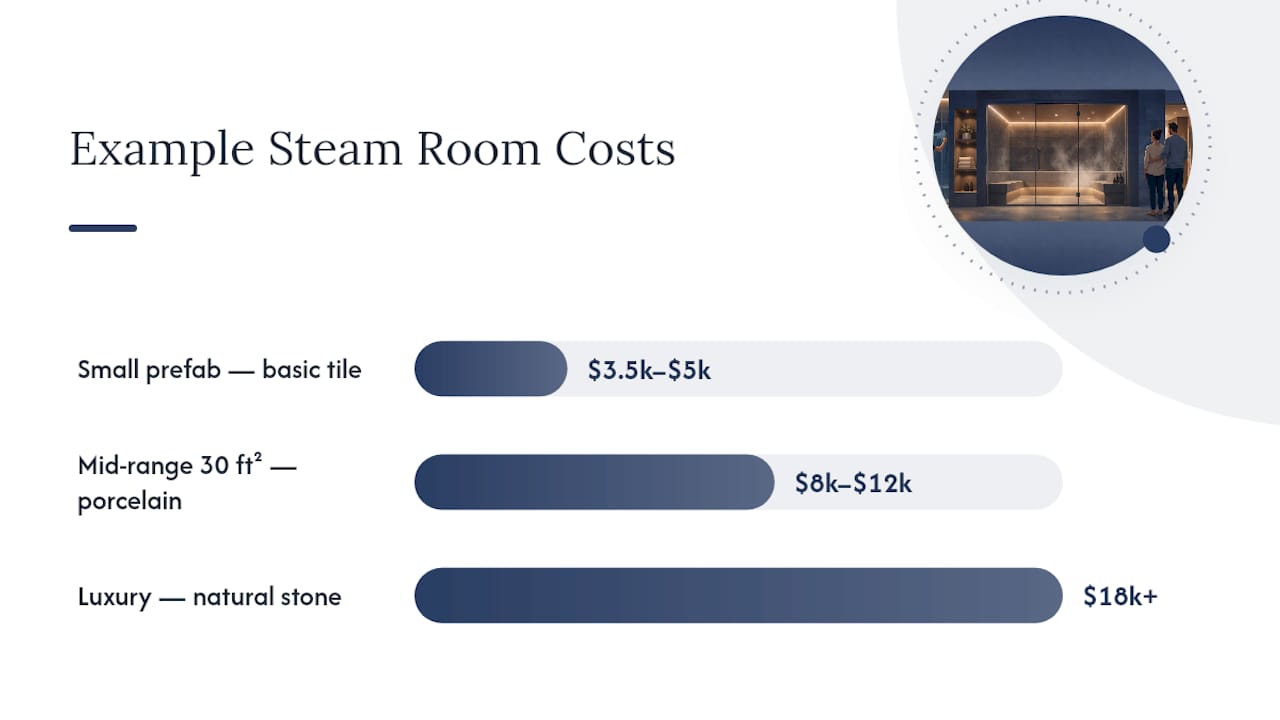
Three examples illustrate how these line items add up. A small prefab conversion in an existing shower stall, using a mid-size generator and stock tile, lands around $3,500 to $5,000. A mid-range custom build at 30 square feet with quality porcelain tile and a dedicated circuit runs $8,000 to $12,000. A luxury build with natural stone, a glass wall, and a wifi-enabled generator package can exceed $18,000 once labor and finishes are factored in.
What Drives the Price of a Steam Room Up or Down?
Generator sizing is the single biggest technical decision in the whole project. A unit that’s undersized for the room’s cubic volume struggles to hold temperature and shortens its own lifespan; oversizing wastes money and can make the space uncomfortably hot within minutes. Placement matters too. Generators installed far from the steam head need longer, insulated steam lines, which adds both material and labor cost.
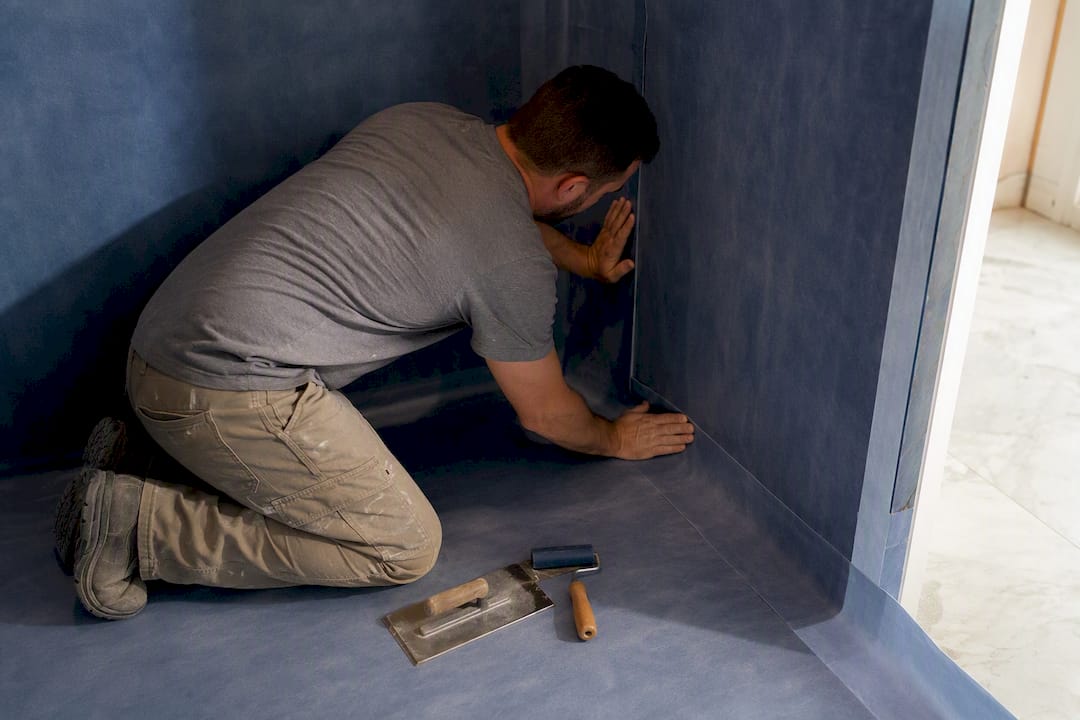
Waterproofing is where corners get cut, and where they should never be cut. A continuous vapor membrane behind the tile is the most frequently skipped item on budget installs, and skipping it is the leading cause of hidden structural rot, mold, and full teardowns years later. The incremental cost of doing this correctly is small compared to the alternative.
Statistic to remember: DIY installs that skip proper waterproofing or undersize the generator often start with minimum budgets of $6,000 to $8,000 for a code-compliant small install, before remediation costs from a failed vapor barrier are even factored in.
Finish choices swing price the most after labor:
- Ceramic or porcelain tile keeps costs moderate and performs well in steam
- Natural stone (marble, travertine) adds cost but shows moisture staining faster if sealing lapses
- Glass enclosures add a premium but simplify long-term cleaning
- Add-ons like chromotherapy lighting, aromatherapy ports, and app-based controls each add a few hundred dollars
Our steam room waterproofing guide walks through membrane types and perm ratings in more detail if you want to vet a contractor’s plan before work starts.
Prefab Steam Shower or Custom Steam Room: Which Fits Your Budget?
Prefab kits use pre-built acrylic or fiberglass enclosures paired with a steam generator, making them faster and cheaper to install than a fully tiled custom room. Custom steam rooms are built from the studs up, giving you full control over layout, seating, and finish, but they demand more labor hours and carry more waterproofing risk if the crew isn’t experienced with steam-specific membranes.
Cost bands scale predictably with size and finish:
- Small (9 to 12 square feet): $3,000 to $6,000, typically a prefab conversion of an existing shower stall with a compact generator
- Medium (24 to 35 square feet): $6,000 to $12,000, usually a custom-built room with mid-grade tile and a properly sized generator
- Large or luxury custom (50+ square feet): $12,000 to $20,000+, often featuring stone, glass, multiple steam heads, or bench seating for two or more people
A homeowner converting a standard tub-shower combo into a steam shower with a prefab kit and an iSteamX steam shower control and steamhead can stay near the bottom of the medium band. Push into natural stone and a glass wall on the same footprint, and the same project can jump $4,000 to $6,000 higher purely on finish selection.
Who Do You Need to Hire, and How Long Does It Take?
A steam room project typically involves a general contractor to manage scope, a licensed electrician for the dedicated circuit the generator requires, a licensed plumber for the water line and drain, and a tile setter for the enclosure. Electrical work alone often runs $1,000 to $3,000 when a panel upgrade is needed to support the new circuit.
- General contractor: oversees scheduling and trade coordination, often billed as a percentage of total project cost
- Electrician: installs dedicated circuit and controls, $1,000 to $3,000 when panel work is required
- Plumber: runs water supply and drain lines, typically billed hourly or as part of a bundled quote
- Tile setter: installs enclosure finish over the waterproofed substrate
Permits and inspections matter more than most homeowners expect. Most municipalities require a permit for new electrical circuits and plumbing modifications, and skipping that step can create resale headaches or fines if an inspector or future buyer’s inspector flags unpermitted steam equipment. A shower conversion using existing plumbing can wrap in one to two weeks. A full custom build, including framing, waterproofing cure time, and tile setting, often takes three to five weeks from demo to first steam.
Can You DIY Any Part of a Steam Room Install?
Homeowners can reasonably handle tile selection, cosmetic finish work, and installing accessories like benches or hooks after the rough-in is complete. Electrical hookups and steam generator plumbing are a different story entirely.
Generator plumbing and dedicated electrical circuits require licensed trades because steam equipment operates at higher moisture exposure than a standard shower, and code violations can void manufacturer warranties and homeowner’s insurance coverage if a leak or fire traces back to unpermitted work.
DIY electrical or plumbing mistakes don’t just risk a failed inspection. They can void the generator’s warranty outright, and insurers have denied water-damage claims tied to unpermitted work. One common real-world pattern: a homeowner skips the vapor membrane behind tile to save a weekend of labor, and within two years the wall cavity shows rot that costs more to fix than the entire original waterproofing budget.
Pro Tip: Ask any contractor bidding your job to name the exact membrane product and perm rating they plan to use behind the tile. If they can’t answer specifically, keep looking.
How Do You Keep Steam Room Costs Down Without Cutting Corners?
Cost control works best when you sequence decisions in the right order rather than cutting the wrong corner under budget pressure.
- Choose prefab over custom if your existing shower footprint works. It’s the single biggest cost lever available.
- Stage the work. Pay for correct waterproofing first, then economize on finish tile. A membrane failure costs far more than a step down in tile grade.
- Bundle equipment and installation. Buying a heater package with matching controls, like the Harvia Kip45W heater package, often costs less than sourcing components separately.
- Get itemized bids from at least three contractors, and ask each to break out generator, waterproofing, labor, and finish costs separately so you can compare apples to apples.
Pro Tip: A bid that lumps “materials and labor” into one number without line items is the easiest way to get overcharged on generator size or tile grade without knowing it.
What Does a Steam Room Cost to Run and Maintain?
Running a steam room is cheap compared to installing one. A typical 20 to 30 minute session costs $0.40 to $1.00 in energy and water, depending on generator size and local utility rates.
Statistic to remember: Households using their steam room several times a week typically see monthly operating costs of $8 to $18, a fraction of what a gym membership or spa visit costs over the same period.
Routine maintenance includes descaling the generator every one to three months depending on water hardness, checking door and glass gaskets annually, and having the generator professionally serviced every one to two years. Watch for slow heat-up times or mineral buildup on the steam head. Both signal it’s time for service before a full generator replacement becomes the only option.

Why Trust Sauna Heater Supply’s Cost Guidance?
Sauna Heater Supply curates steam and sauna equipment for homeowners and contractors across the country, which means we see real installed quotes, not just manufacturer list prices. This guide reflects patterns from actual project budgets, not theoretical estimates.
- Detailed waterproofing guidance for membrane selection and perm ratings
- Electrical planning resources covering dedicated circuits and panel upgrades
- A realistic heater cost breakdown mapped to installed budgets
- Product curation that matches generator capacity to actual room volume, not just square footage
Small conversions typically pair well with compact controls like the iTempo round steam shower control, while larger custom rooms need higher-capacity packages built for continuous multi-person use.
What’s the One Thing Homeowners Get Wrong About Steam Room Budgets?
Homeowners consistently underweight waterproofing and generator sizing while overweighting tile and glass, because finish is what they’ll see every day and moisture protection is invisible until it fails. That’s backwards. A well-sized generator behind a modest tile job outperforms a beautiful tile job hiding an undersized unit or a gapped membrane. Budget for the parts you won’t see first, then spend what’s left on the parts you will.
Before hiring anyone, confirm these with your contractor:
If a contractor can’t answer all three without hesitation, that’s your answer about whether to hire them.
— Teddy
How Sauna Heater Supply Helps You Budget and Buy Right
Sauna Heater Supply gives homeowners a direct path to correctly sized equipment instead of guessing between generic online listings. For small conversions, the SaunaLife bucket, ladle, hygrometer and thermometer set and iSteamX control package round out a basic build.

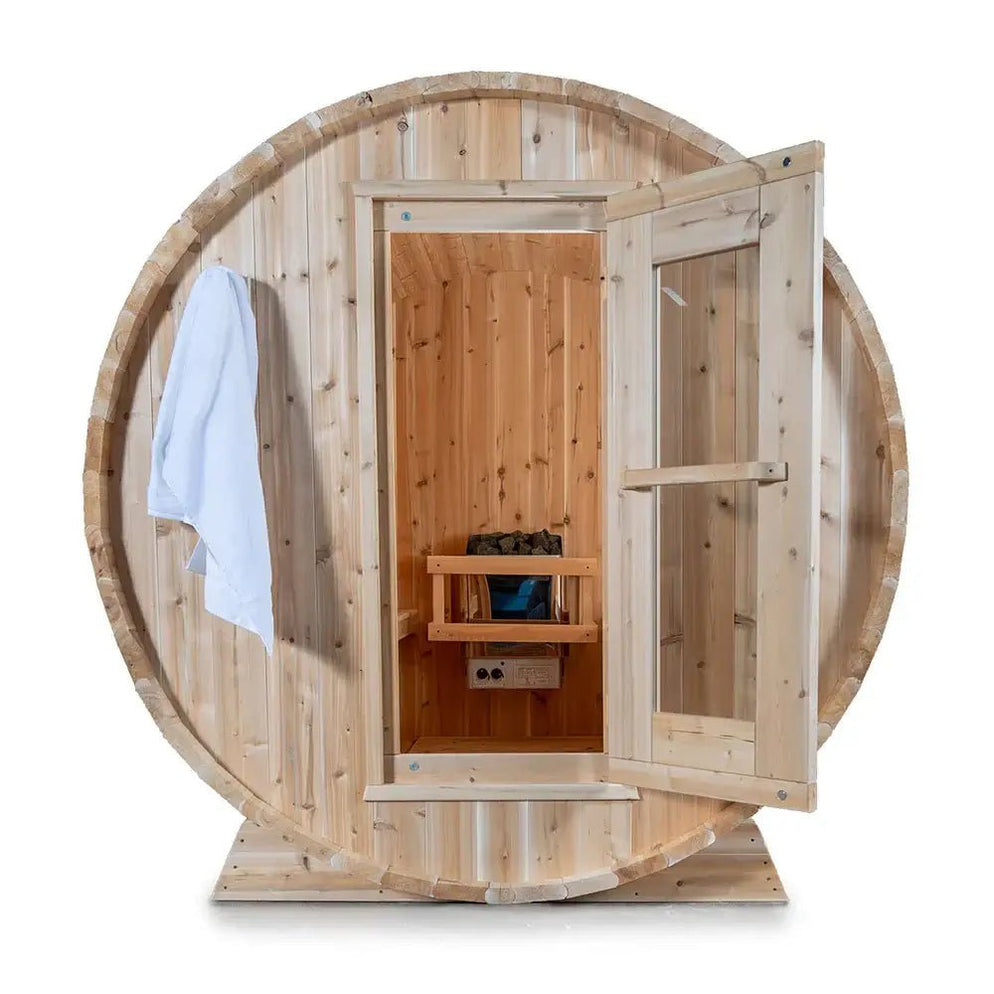
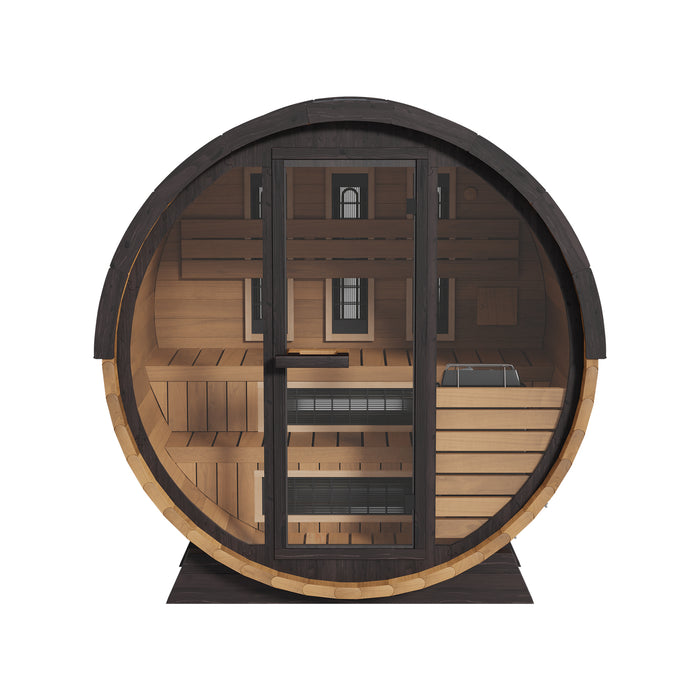
For mid-range custom rooms, the Harvia Kip45W heater package and IKI Pillar 9kW with wifi controller deliver the capacity larger rooms need without oversizing. Homeowners planning a barrel-style combination build often look at the Finnmark Thermo-Aspen combination barrel sauna or the Finnmark Cedar combination barrel sauna, while luxury installs pair well with the Saunum Air 7 heater package. Once the room is built, finish it out with a sauna bucket and ladle or the SaunaLife accessory package.
Every generator we sell is matched to your actual room volume during a quick consultation, not sold off a generic size chart. Browse the full catalog of heater packages and controls, or reach out for a specific product recommendation before you finalize your contractor’s equipment list.
Where Else Should You Check Before You Finalize Your Steam Room Plan?
- Confirm permit requirements with your local building department before demo starts
- Review manufacturer sizing guidance for generator capacity by room volume
- Read our waterproofing methods guide before approving any membrane spec
- If demolition is involved, review professional demolition safety practices before removing existing tile or fixtures
Sources
- How Much Does Installing a Steam Room Cost? 2026 Data | Angi
- What Does a Steam Shower Cost? 2025 Data | HomeAdvisor
- How Much Does a Steam Room Cost? | HomeGuide
- How To Build A Steam Room At Home: Complete Guide