









Steam Room vs Sauna: What Homeowners & Contractors Should Choose
For long-term cardiovascular health, a dry sauna is the stronger choice. For respiratory relief and skin hydration, a steam room delivers results a dry environment simply cannot match. Your decision comes down to three things: your primary health goal, your site’s waterproofing capacity, and your maintenance budget.
- Dry sauna: 150–195°F, low humidity (5–30% RH), wood-lined enclosure, simpler residential build
- Steam room: 110–120°F, near 100% relative humidity, full wet-room construction, higher ongoing maintenance
- Evidence base: Finnish cohort studies link frequent dry sauna use (4–7 sessions/week) to lower cardiovascular risk and reduced all-cause mortality. No equivalent long-term cohort data exists for steam rooms.
- Next step: Match the system to your primary goal and site constraints, then size the heater or generator accordingly.
Key stat: Sauna cohort research associates 4–7 sessions per week with measurable reductions in cardiovascular risk — a frequency benchmark no steam-room study has yet replicated.
Table of Contents
- How do steam rooms and saunas actually compare?
- How each environment affects your body
- Which option fits your specific goal?
- What construction does each system actually require?
- How to size and select your heater or steam generator
- Running costs, maintenance, and safety
- Decision checklist: are you ready to choose and install?
- Key Takeaways
- The case for defaulting to a dry sauna in most U.S. residential projects
- Saunaheatersupply has the heaters and the sizing expertise to get your build right
- Useful sources and further reading
How do steam rooms and saunas actually compare?
| Dimension | Dry Sauna | Steam Room |
|---|---|---|
| Typical temperature | 150–195°F for dry saunas | 110–120°F for steam rooms |
| Relative humidity | 5–30% RH for dry saunas | 95–100% RH for steam rooms |
| Perceived heat / strain | High | Very high (sweat can’t evaporate) |
| Primary health benefits | Cardiovascular, recovery, longevity | Respiratory, skin hydration, relaxation |
| Installation complexity | Moderate (wood lining, vapor barrier) | High (full waterproofing, drainage, sloped ceiling) |
| Required equipment | Electric, wood, or gas heater + stones | Steam generator + water supply + steam head |
| Typical energy use | Lower per session | Higher (continuous steam production) |
| Mold / maintenance risk | Low | High without rigorous cleaning |
| Ideal users | Cardio-focused, athletes, general wellness | Respiratory conditions, dry skin, spa amenity |
| Estimated install cost | $3,000–$8,000 installed for custom dry saunas | $4,000–$14,000 installed for custom steam rooms; prefab steam units $2,650–$7,100 |
Important clarifications:
- Steam room temperatures feel hotter than the numbers suggest because 100% humidity prevents sweat evaporation, raising physiological strain above what the thermometer shows.
- Sauna costs vary widely by heater type (electric vs. wood-fired) and room size; steam generator hardware alone runs $2,000–$7,000 before installation.
- Both systems require a dedicated electrical circuit; steam rooms also need plumbing.
How each environment affects your body
Both environments raise core body temperature and heart rate, producing cardiovascular effects comparable to light aerobic exercise. The critical difference is how they get there.
In a dry sauna, sweat evaporates freely, letting you tolerate 150–195°F for 15–20 minutes. In a steam room, saturated air blocks evaporative cooling entirely. Controlled studies show higher rectal temperature, heart rate, and physiological strain indexes (PSI and CHSI) in wet/steam sessions compared to dry sauna sessions at equivalent durations. That means steam rooms can push your body harder despite lower air temperatures, which shortens safe session windows and raises the bar for user screening.
“Sauna has a stronger evidence base here. The long-running Finnish studies showing reduced rates of heart disease and mortality were conducted on dry sauna users. The physiological mechanism — repeated cycles of vascular dilation and cooling — is well understood.” — GoToSauna
The Finnish cohort data is the most cited evidence in this space: 4–7 dry sauna sessions per week are associated with lower stroke risk and reduced all-cause mortality. Steam rooms produce similar short-term cardiovascular effects but lack equivalent longitudinal data. Most guidance recommends 5–20 minute sessions for both environments, with steam sessions kept toward the shorter end given the higher physiological load.
Safety cautions (integrate before installation):
- Pregnancy: avoid both environments without physician clearance
- Recent cardiac event (within three months): avoid both; consult a cardiologist
- Uncontrolled hypertension: steam rooms carry additional risk due to higher strain indexes
- Fungal skin infections: steam’s humidity accelerates growth; avoid steam rooms until resolved
- Certain medications (stimulants, antibiotics): consult a physician before use
Which option fits your specific goal?
Thermal physiologists consistently recommend matching the environment to the primary health goal rather than defaulting to one system for everyone.
- Cardiovascular health and longevity: Dry sauna. The Finnish cohort evidence is specific to dry heat; choose a well-sized electric or wood-fired heater and aim for consistent weekly use.
- Post-workout muscle recovery: Dry sauna. Heat penetrates muscle tissue more deeply; athletes and sports recovery specialists generally prefer sauna for endurance training recovery.
- Sinus and respiratory relief: Steam room. Moist heat loosens mucus and soothes mucous membranes in the nose, throat, and lungs. People with asthma, chronic bronchitis, or frequent congestion often find steam rooms noticeably more effective.
- Skin hydration: Steam room. High humidity allows skin to absorb moisture from the air; dry sauna draws moisture out, which can leave skin feeling tight.
- Spa or commercial amenity: Either, depending on clientele. Hotels and fitness facilities serving a broad demographic often install both; if choosing one, steam rooms offer a more accessible entry point for first-time users, which aligns with insights from the guest-experience content about spa amenities.
Pro Tip: When a client specifically requests a steam room for respiratory or skin benefits during a bathroom renovation, that is the right moment to recommend it — the waterproofing and drainage work is already in the project scope, which significantly reduces the incremental cost of a proper steam-room build.
What construction does each system actually require?
A dry sauna is a wood-lined enclosure with a vapor barrier, a sauna-grade heater, and basic ventilation. A steam room is a full wet-room project. The construction gap between the two is significant and directly affects your budget and trade schedule.
Steam room construction checklist:
- Framing and cement board substrate (no standard drywall)
- Continuous vapor membrane behind all tile or non-porous finishes
- Sloped ceiling at a pitch of 1–2 inches per foot to prevent condensation dripping
- Floor slope toward a central drain (professional drainage installation required)
- Tile, glass, or moisture-resistant plastic surfaces throughout (no wood)
- Steam generator plumbing: cold water supply line, condensate drain, steam head placement
- Exhaust ventilation sized to manage sustained 100% humidity
- GFCI-protected electrical for all fixtures and the generator
Dry sauna construction checklist:
- Wood framing with foil-faced vapor barrier on the warm side
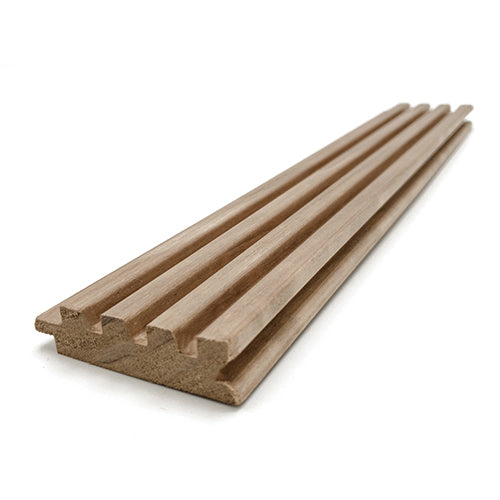
- Tongue-and-groove cedar, hemlock, or aspen interior lining
- Sauna-grade door with proper seal
- Heater clearance per manufacturer specs
- Dedicated electrical circuit (240V for most electric heaters)
- Simple low/high ventilation openings for air exchange
Cost ranges: a custom dry sauna typically runs $3,000–$8,000 installed; a custom steam room runs $4,000–$14,000, with prefab steam units at $2,650–$7,100. Steam rooms almost always require a licensed plumber and a tile contractor in addition to an electrician, adding trades and timeline.
How to size and select your heater or steam generator
Electric sauna heaters are rated in kilowatts and sized to room volume. The standard rule: use manufacturer sizing charts and plan for a dedicated 240V circuit for most residential electric models. Undersizing a heater is the most common installation mistake — it produces a room that never reaches target temperature.
Steam generators are sized differently. Room volume matters, but so does desired steam density, recovery time after the door opens, and how far the generator sits from the steam head. Plumbing access and condensate routing are the most common project pitfalls contractors encounter.
Heater options available through Saunaheatersupply:
- Saunum Air series (Air 7, Air L 10, Air L 13, Air L 15): compact-to-large electric heaters for residential cabins, with the Air L series suited to medium-to-large rooms
- Saunum AirSolo (70 and 80 models): freestanding units for medium-to-large home installations; the AirSolo Wall fits space-constrained builds
- Harvia Virta series: reliable electric heaters for higher-capacity residential and light commercial applications, available at 240V single-phase
- HUUM barrel sauna chimney kit: for wood-fired barrel sauna builds where a flue is required
Installation checklist for equipment hookup:
- Confirm room volume and calculate required kW (use manufacturer chart)
- Verify electrical panel capacity for a dedicated 240V circuit
- For steam: confirm cold water supply proximity and condensate drain routing
- Position steam head on the wall opposite the primary seating, low on the wall
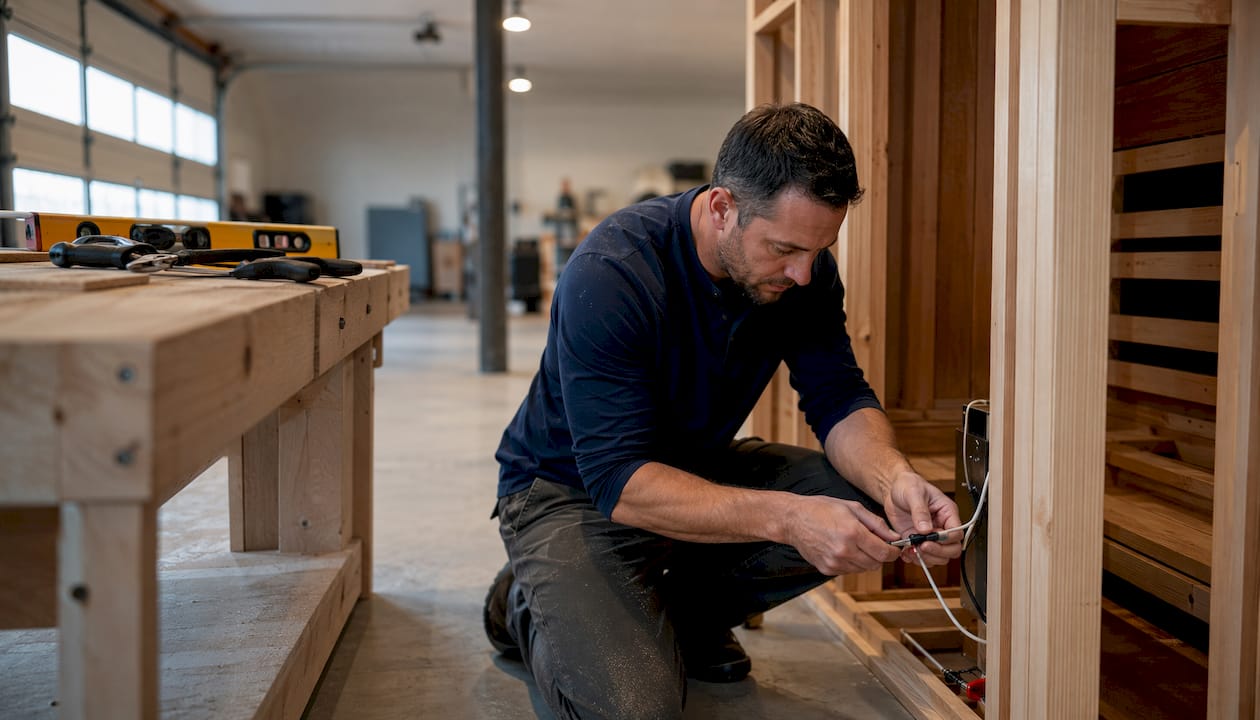
- Install heater controls and thermostat per manufacturer wiring diagram
- Test all GFCI protection before first use
- Commission the system at full temperature before client handoff
Running costs, maintenance, and safety
Saunas cost less to run and maintain over time. A dry sauna heater draws power only during the preheat and session period, typically 45–90 minutes total. Steam generators run continuously during a session and must maintain saturation, which means higher kilowatt-hour consumption per session.
Maintenance schedule:
- After every session: Wipe down steam room surfaces; leave the door open to dry
- Weekly: Scrub tile and grout in steam rooms; check sauna benches for moisture damage
- Monthly: Inspect steam generator for mineral scale; descale per manufacturer schedule; check sauna heater stones for cracking
- Annually: Test GFCI outlets, inspect vapor barrier integrity, check ventilation flow rates
Mold control is the primary ongoing challenge in steam rooms. The EPA recommends keeping indoor humidity below 60% to prevent mold growth — a steam room runs at 100% RH during use, so ventilation after every session is non-negotiable. Dry saunas, by contrast, dry out naturally after use and rarely develop mold when properly vented.
Safety checklist:
- Verify GFCI protection on all electrical within 6 feet of water sources
- Confirm temperature controls are calibrated and have a high-limit shutoff
- Post maximum session time (10–15 minutes for steam; up to 20 minutes for sauna) in the room
- Provide hydration guidance to users before each session
- Never use either environment immediately after alcohol consumption
Decision checklist: are you ready to choose and install?
Step-by-step process:
- Confirm your primary health goal (cardiovascular vs. respiratory/skin)
- Assess the site: existing waterproofing, drain access, ceiling height (steam needs 8+ feet)
- Set a realistic budget including all trades (electrician, plumber, tile contractor)
- Select heater or generator model and confirm sizing against room volume
- Schedule rough trades (electrical, plumbing) before finish work begins
- Arrange ventilation testing after commissioning
Realistic timelines: A prefab dry sauna installs in 1–3 days. A custom dry sauna build takes 1–2 weeks. A custom steam room typically runs 2–4 weeks when waterproofing, tile, and plumbing are coordinated.
Red flags that point toward a sauna instead of a steam room:
- No existing floor drain and no budget to add one
- Ceiling height under 8 feet
- No plumbing access near the intended room location
- Client unwilling to commit to daily post-session ventilation and weekly cleaning
- Budget under $5,000 all-in for a custom build
Key Takeaways
Dry saunas offer stronger long-term cardiovascular evidence and a simpler residential build; steam rooms deliver respiratory and skin benefits but require full wet-room construction and consistent maintenance.
| Point | Details |
|---|---|
| Sauna for cardiovascular health | Finnish cohort data links 4–7 sessions/week to lower cardiovascular risk; no equivalent steam-room data exists. |
| Steam for respiratory and skin | Moist heat at 95–100% RH loosens mucus and hydrates skin more effectively than dry heat. |
| Steam costs more to build | Custom steam rooms run $4,000–$14,000 installed; custom dry saunas typically run $3,000–$8,000. |
| Size your heater to room volume | Use manufacturer kW charts and plan for a dedicated 240V circuit for electric sauna heaters. |
| Saunaheatersupply for heater selection | Saunaheatersupply stocks the Saunum Air series, Harvia Virta, and HUUM kits with expert sizing guidance. |
The case for defaulting to a dry sauna in most U.S. residential projects
Most homeowners who ask about steam rooms are drawn to the sensory experience, not a specific clinical need. That is a reasonable preference, but it is worth being direct: the long-term health evidence sits firmly on the dry sauna side, and the construction and maintenance demands of a proper steam room are consistently underestimated at the planning stage. A steam room built without continuous waterproofing, a sloped ceiling, and a real ventilation plan will develop mold problems within a year. The ongoing cleaning and descaling schedule is also more demanding than most homeowners anticipate before installation.
That said, when a client has a genuine respiratory condition, chronic dry skin, or a strong preference for humid heat and commits to the proper build and maintenance, a steam room is the right answer. The key is making the decision based on evidence and site reality, not on what sounds more luxurious in a brochure. Saunaheatersupply’s team is available to help you match the right heater or generator to your specific room and goals.
Saunaheatersupply has the heaters and the sizing expertise to get your build right
Choosing the right heater is where most residential sauna projects either succeed or stall. Saunaheatersupply stocks a curated lineup of electric and wood-fired heaters, from the compact Saunum Air 7 for smaller cabins to the Saunum AirSolo 70 and the Harvia Virta series for mid-to-large residential rooms. Every product comes with manufacturer specifications and sizing charts, and the team provides personalized guidance to match heater output to room volume before you order.

Whether you are a homeowner planning a first sauna build, a contractor sourcing heaters for a client project, or a wellness professional upgrading a facility, Saunaheatersupply offers a price match guarantee and responsive support. Browse the full sauna heater catalog or contact the team directly for a heater-sizing consultation before you finalize your build plans.
Useful sources and further reading
- Comparison of physiological reactions and physiological strain in dry and steam heat saunas (PMC) — Controlled trial data on PSI, CHSI, heart rate, and rectal temperature differences between dry and wet sauna sessions; cited in the physiology and safety sections.
- Finnish cohort sauna research via 10 Minute Longevity — Summary of longitudinal Finnish studies linking 4–7 weekly dry sauna sessions to cardiovascular and mortality outcomes.
- Good Housekeeping: Steam Room vs. Sauna — Temperature, humidity, and session-duration guidance; cited in the comparative analysis and physiology sections.
- Sauna Guide: Dry Sauna vs Steam Room — Construction requirements, cost ranges, and maintenance burden comparison; cited in installation and decision-checklist sections.
- GQ: Sauna vs. Steam Room — Expert commentary on respiratory benefits and thermal physiologist guidance on goal-based selection.
- Healthline: Steam Room Benefits — Mold and hygiene risks in high-humidity environments; cited in the maintenance section.
- Saunaheatersupply product pages — Manufacturer specifications, sizing charts, and purchasing guidance for electric, wood-fired, and gas sauna heaters.
This article is general information, not medical advice. Consult your physician before using a sauna or steam room if you have a cardiovascular condition, respiratory illness, or are pregnant.