











Skip the Tiled Steam Room When Combining Steam and Sauna at Home
Yes, you can combine steam and sauna heat in one home wellness space, and most homeowners do it through a two-compartment split unit, a sanarium with mild humidity, or two adjacent standalone rooms. For most residential setups, a two-compartment combo or sanarium wins on practicality: both give you flexible heat and humidity without the full waterproofing burden of a dedicated tiled steam room. Budget and long-term maintenance, not the upfront purchase, usually decide which format makes sense.
TL;DR:
- Most residential steam and sauna combinations use a two-compartment setup or sanarium for flexibility and manageable maintenance costs.
- Dedicated steam generators require waterproofed, tiled walls and drainage, costing more than dry saunas, which need wood-lined walls and lower moisture control.
- Short sessions of 10 to 20 minutes, with proper hydration and cooling, are safest, especially for those with heart conditions or pregnancy considerations.
- Infrequent or smaller setups, like portable steam units or sanarium inserts, are more budget-friendly and easier to maintain than full tiled steam rooms.
- Combining heat types can increase safety risks if not properly planned, and separate electrical and plumbing systems are essential for long-term proper function.
Table of Contents
- What Are the Main Types of Steam and Sauna Combos?
- Is It Safe to Do Steam and Sauna Together?
- What Does Installing a Steam Sauna Actually Require?
- How Much Does a Home Steam and Sauna Combo Cost?
- How Do You Choose the Right Steam and Sauna Setup?
- How Sauna Heater Supply Supports Home Steam and Sauna Projects
- Common Myths About Steam and Sauna Combos
- What’s the Right Call for Most Homeowners?
- Ready to Plan Your Home Steam and Sauna Setup?
- Sources
- FAQ
What Are the Main Types of Steam and Sauna Combos?
A steam and sauna combo isn’t one product category. It’s a set of design approaches, each with different plumbing, wiring, and maintenance demands.
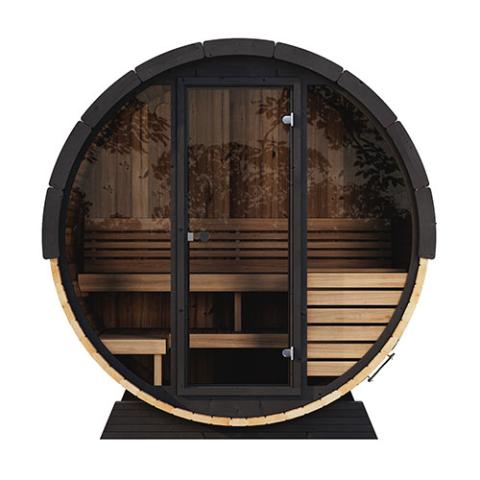
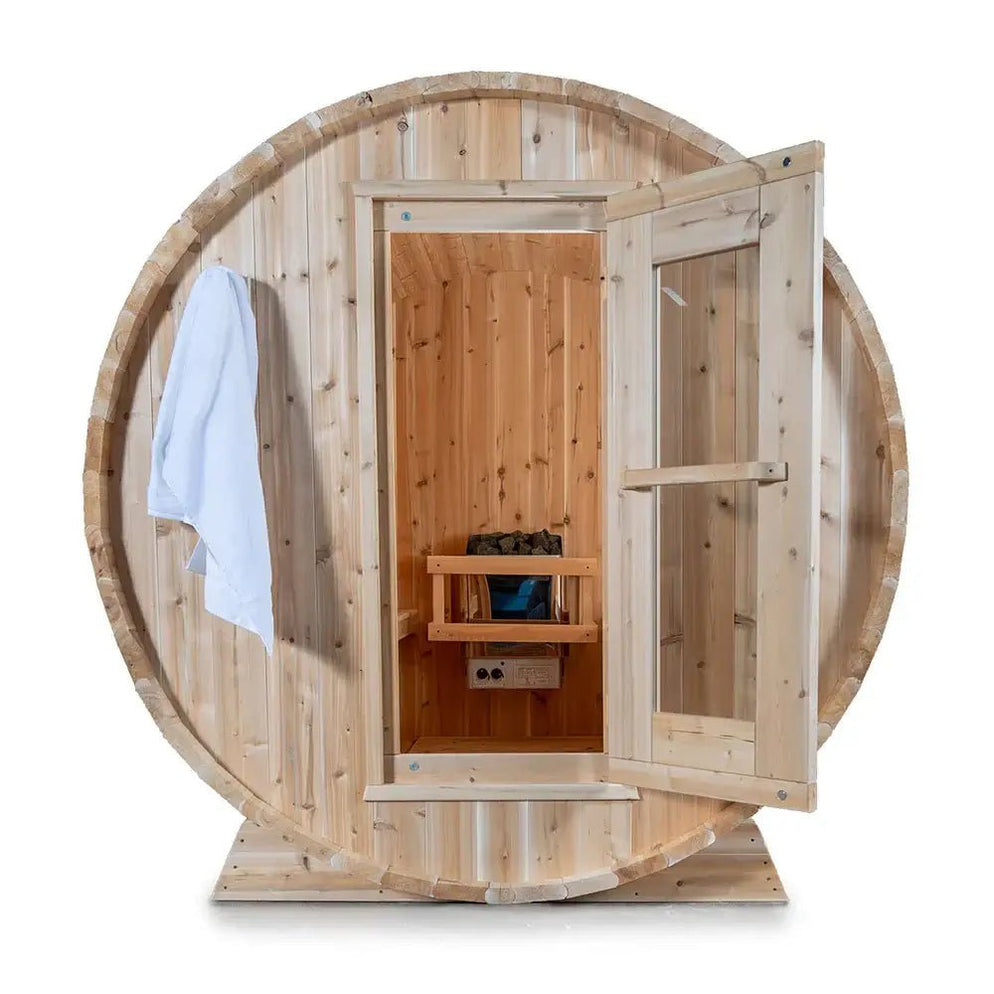
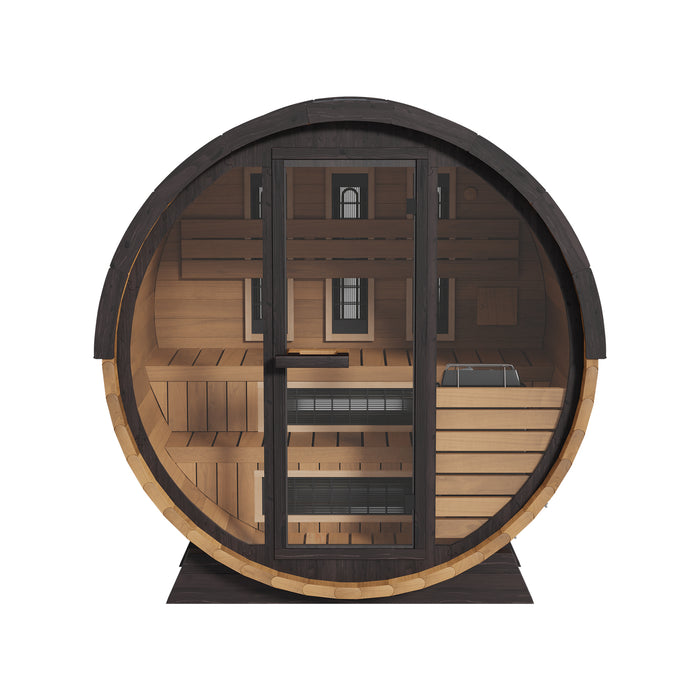
Two-compartment split enclosures keep the dry sauna and steam sides physically separated, each with its own heater and drainage system. This is the most common combined steam shower with sauna layout in residential builds, because it prevents humidity from migrating into the wood-lined dry side, which would otherwise warp panels and encourage mildew.
Sanarium and mixed-humidity cabins sit in the middle. These run cooler than a traditional Finnish sauna (around 113 to 140°F) with moderate humidity, giving you a gentler sauna steam room experience without the extremes of either format.
Infrared plus steam hybrids pair infrared panels, which heat the body directly rather than the air, with a separate steam generator. Infrared units run on lower voltage than traditional heaters, which simplifies electrical planning.
Some marketed “combi” heaters promise to switch between dry and wet modes in a single unit. In practice, these have real limits on how much steam they can generate compared to a dedicated generator, so set expectations accordingly.
- Two-compartment split enclosures: separate systems, no cross-contamination
- Sanarium: moderate heat and humidity, lower maintenance than full steam
- Infrared + steam hybrid: lower voltage, distinct heat delivery method
- Combi heaters: convenient but limited steam output
Is It Safe to Do Steam and Sauna Together?
The strongest evidence for heat therapy comes from Finnish-style dry saunas, not steam rooms. Reviews of sauna research point to associations between frequent dry sauna use, typically 3 to 7 sessions per week at 15 to 20 minutes each, and better cardiovascular outcomes along with lower all-cause mortality in cohort studies. That evidence base doesn’t automatically transfer to steam rooms. Steam runs at a much lower temperature but near 100% humidity, which changes how your body handles heat: sweat can’t evaporate efficiently, so a steam session can feel more intense at a lower reading on the thermostat.
Harvard Health notes that sauna bathing dilates blood vessels and lowers blood pressure, and advises anyone with an unstable cardiac condition to talk to a doctor before starting. That caution applies just as much to steam.
Pro Tip: Keep individual sessions to roughly 10 to 20 minutes, hydrate before and after, and let your body cool between rounds rather than jumping straight from sauna heat into a cold plunge.
A safety analysis of spa and sauna related deaths found that alcohol use, heart disease, and seizure disorders were the leading risk factors, and recommended shorter exposure times and lower temperatures for anyone in those higher-risk groups.
Skip a session (or shorten it significantly) if you’re pregnant, have uncontrolled cardiovascular disease, or have been drinking alcohol.
- Keep sessions in the 10 to 20 minute range per round
- Hydrate before, during, and after
- Avoid combining alcohol with any heat session
- Consult a clinician first if you have a heart condition or are pregnant
What Does Installing a Steam Sauna Actually Require?
Build requirements diverge sharply between the wet and dry sides, and that gap drives most of the cost and maintenance difference between formats.
A steam room needs a steam generator, a continuous vapor membrane behind every wall surface, a sloped ceiling to direct condensation away from seams, tile or sealed acrylic finishes, a floor drain, and dedicated ventilation. Steam rooms typically run 110 to 120°F at near 100% humidity, which is exactly why waterproofing has to be continuous rather than patched.
A dry sauna needs wood-lined walls, a foil vapor barrier behind the wood, built-in benching, and dedicated electrical service. Traditional heaters usually require a 240V circuit, while infrared panels can often run on standard household voltage. Ventilation still matters, but the stakes for moisture damage are lower since dry saunas run at low humidity even at higher temperatures.
- Confirm your electrical panel can support a 240V circuit if you’re installing a traditional heater.
- Plan floor drainage and slope before framing if a steam generator is part of the build.
- Install a continuous vapor barrier on both sides of any shared wall between compartments.
- Set up a dehumidification or ventilation cycle for the wet side to run between sessions.
- Schedule seal and grout inspections at least twice a year on tiled steam surfaces.
Two-compartment combos reduce humidity crossover between sides, but they don’t eliminate the need to plan electrical and plumbing separately for each compartment. Ongoing maintenance means managing dry and wet cycles deliberately, checking seals and grout regularly, and running a dehumidifier or fan cycle after every steam session to head off mold before it starts.
Pro Tip: If you’re unsure whether your framing can handle a steam generator’s drainage needs, get that answered before you commit to tile. Retrofitting a drain after the fact is far more expensive than planning for it upfront.
How Much Does a Home Steam and Sauna Combo Cost?
Prefab sauna kits tend to be the most budget-friendly entry point, and infrared combo units often land in a similar range since they skip the heavier electrical work. Steam generators themselves are a relatively modest line item. Custom tiled steam rooms cost far more once you add tile, continuous waterproofing, and skilled labor, which is usually what pushes a full steam-room build into a much higher price bracket than a comparable dry sauna installation.
Hidden costs catch a lot of homeowners off guard:
- Electrical panel upgrades to support a 240V heater circuit
- Ventilation or dehumidification systems for the wet side
- Waterproofing labor, which often costs more than the materials themselves
- Ongoing mold and mildew control on tiled steam surfaces
If your budget or your tolerance for upkeep is limited, the practical move is a sauna-first path: install a dry sauna or sanarium as the primary unit, then add a portable steam option for occasional use. That approach sidesteps most of the long-term moisture risk that comes with a dedicated tiled steam room.
How Do You Choose the Right Steam and Sauna Setup?
Match the format to your space before you fall in love with a product photo. A bathroom remodel favors a compact steam shower with sauna insert, while a dedicated room or an outdoor cabin opens up options like a full sanarium or a split two-compartment build.
Think through who’s actually using it. A single-user setup for recovery or relaxation has very different requirements than a household of four planning daily sessions, and accessibility needs (grab bars, bench height, step-free entry) should get decided at the design stage, not retrofitted later.
- Measure your available space and decide between a shower-integrated unit, a dedicated room, or an outdoor cabin.
- Estimate typical weekly use to size the heater and generator correctly.
- Confirm your home’s electrical service can support the heater type you want.
- Ask any contractor or seller for documented vapor barrier specs, not a verbal assurance.
- Get warranty terms in writing, including coverage length and what voids it.
- Ask about the ventilation plan for the wet side before signing off on a design.
Watch for red flags before you commit: an installer who can’t produce vapor barrier documentation, warranty language that’s vague about what’s covered, or no clear maintenance plan for mold control. Those gaps tend to surface as expensive problems within the first year or two.
How Sauna Heater Supply Supports Home Steam and Sauna Projects
Sauna Heater Supply specializes in high-quality saunas, sauna heaters, cold plunges, steam room equipment, sauna components, and accessories tailored for homeowners, contractors, and wellness professionals.
Three product packages map directly to the build decisions covered above:
- The Saunum Air 7 Sauna Heater Package suits homeowners building the dry sauna side of a two-compartment combo or a standalone sanarium-style cabin.
- The Bliss Steam Shower Control Package with iSteamX Control and Steamhead fits a bathroom remodel adding a compact steam module.
- The Bliss Steam Shower Control Package with iSteamX Control and Linear Steamhead gives contractors a linear steamhead option for larger or custom-shaped wet compartments.
Common Myths About Steam and Sauna Combos
“Steam and sauna deliver the same benefits.” They don’t. The cardiovascular research is built almost entirely on dry sauna studies. Steam feels intense, but it hasn’t been studied the same way, so treat it as a comfort and relaxation add-on rather than a proven cardiovascular tool.
“Hotter is always better.” A steam room at 115°F with near-total humidity can feel more taxing on your body than a dry sauna at 180°F, because sweat can’t evaporate to cool you down. Judge intensity by how your body responds, not by the number on the thermostat.
“One heater can do both jobs well.” Combi heaters marketed for dual dry and wet operation exist, but their steam output is limited compared to a dedicated generator. If steam quality matters to you, plan for separate systems.
“A steam room needs the same upkeep as a sauna.” It doesn’t; it needs more. Continuous waterproofing, sloped ceilings, and regular seal inspections are standard requirements for steam, not optional upgrades.
“Combos are only for large luxury homes.” A sanarium or a compact steam shower insert can fit into a standard bathroom footprint. Scale is a design choice, not a requirement of the category.
“More sessions per week always means more benefit.” The research on frequency (3 to 7 sessions weekly) applies specifically to dry sauna studies. Overdoing steam sessions, especially without proper hydration, raises risk rather than benefit.

What’s the Right Call for Most Homeowners?
For most home installations, a two-compartment or sanarium-style setup wins on flexibility and lower long-term maintenance. Pair every heat session with proper cooling and hydration, and if you have any cardiac history or other health concerns, talk to your doctor before you start a regular routine.
— Teddy
Ready to Plan Your Home Steam and Sauna Setup?
This company aims to provide expert product curation matched to customer spaces, with a price match guarantee and personalized guidance.

If you already know you want the dry sauna side handled first, the Saunum Air 7 Sauna Heater Package is a strong starting point sized for small to medium home saunas. Building or upgrading the wet side of a bathroom remodel calls for the Bliss Steam Shower Control Package with iSteamX Control and Steamhead, and larger or custom-shaped steam compartments fit better with the linear steamhead version of the same control system.
Browse the full range of sauna heaters and saunas to compare options by size and heat type, or reach out directly for a consultation on your specific layout. Fast shipping and personalized support mean you get the right components the first time, not after a costly do-over.
Sources
The cardiovascular benefit claims in this article draw on the PMC review of passive heat therapies, which summarizes Finnish sauna research on heart health and longevity. Safety caveats reference the PMC analysis of spa and sauna hazards, covering alcohol, heart disease, and seizure risk factors. Harvard Health backs the blood pressure and vasodilation notes. Cost and build comparisons come from the sauna versus steam room cost and heat guide.
This article is general information, not a substitute for advice from a qualified doctor. Consult a qualified healthcare professional about your own circumstances before acting on anything here.
- The multifaceted benefits of passive heat therapies for extending the healthspan: A comprehensive review with a focus on Finnish sauna - PMC
- Sauna vs Steam Room: Cost, Heat and Which to Build
- Harvard Health — sauna and hot-bath coverage (overview page)
FAQ
Is It Okay to Do Steam and Sauna Together?
Yes, doing both in the same session is common, but give your body a cooling and hydration break between rounds. Keep total heat exposure to roughly 10 to 20 minutes per session and skip it if you’ve been drinking alcohol or have an unstable cardiac condition.
Is There a Combination Sauna and Steam Room?
Yes, the most common formats are two-compartment split enclosures, sanarium cabins that blend moderate heat and humidity, and infrared plus steam hybrids. A combined steam shower with sauna insert also works well in a standard bathroom remodel footprint.
What Do Sauna and Steam Do to Your Body?
Both raise your core temperature and trigger sweating, but dry sauna heat (150 to 195°F at low humidity) and steam (110 to 120°F at near total humidity) affect the body differently, according to sauna and steam room comparisons. Dry sauna use has the stronger research base for cardiovascular effects like lower blood pressure.
What Is a Sauna With Steam Called?
A sauna with a moderate blend of heat and humidity is usually called a sanarium, while a unit with fully separate wet and dry sides is a two-compartment combo. Sauna Heater Supply offers components for building either format, including the Saunum Air 7 heater package for the dry side.