









Start With Heat: Homeowners' Sauna and Cold Plunge Plan, 15–20 min
Start with the sauna, then do the cold plunge. For most recovery and wellness goals, heat before cold produces the strongest vascular and neurochemical response your body can generate from contrast therapy. The heat primes blood vessels and heat shock proteins; the cold that follows triggers a sharp norepinephrine spike your body can’t produce the same way in reverse. If you have any cardiac history, ease into this order gradually and get medical clearance first.
TL;DR:
- Most benefits are achieved with 15 to 20 minutes in a sauna at 150 to 185°F followed by cold plunges at 50 to 59°F lasting 60 to 240 seconds.
- Cold exposure early triggers a norepinephrine surge of up to 530 percent, promoting alertness and mood, with most benefits occurring in the first few minutes.
- Beginners should build tolerance gradually over four to six weeks, starting with longer sauna sessions and warmer cold water, and monitoring responses like shivering and heart racing.
- People with heart conditions, uncontrolled blood pressure, pregnancy, or those on medications affecting cardiovascular responses should seek medical clearance before attempting contrast therapy.
- Use proper equipment capable of maintaining target temperatures reliably, and track session parameters and responses to avoid overexposure and ensure safety.
Table of Contents
- Why Sauna Before Cold Plunge Works Physiologically
- What Is the Best Protocol for Sauna and Cold Plunge?
- How Should Beginners Build Up to Cold Plunge Tolerance?
- Who Should Avoid Sauna and Cold Plunge Contrast Therapy?
- When Should You Do Cold Plunge Before Sauna Instead?
- Why Publisher Expertise Matters for Home Sauna and Plunge Setups
- What I’d Actually Recommend for Each Goal
- Ready to Build Your Own Sauna and Cold Plunge Setup?
- Sources
Why Sauna Before Cold Plunge Works Physiologically
Your blood vessels dilate with heat, pulling blood toward the skin’s surface, and constrict with cold, driving it back toward the core. This vascular cycling, called the vascular pump effect, increases blood flow more effectively than heat or cold alone.
Heat shock proteins (HSPs) require sustained heat exposure for activation. These proteins assist cell repair and stress resilience but need adequate time at elevated core temperatures to induce. Starting with sauna ensures sufficient heat exposure before cold immersion decreases heat production.
The neurochemical response to cold is where things get dramatic. Research on 57°F immersion found norepinephrine rising 530% and dopamine climbing 250%, a surge that explains the alertness and mood lift so many people report after a plunge. That spike happens fastest and most reliably when the body is already warmed and vasodilated, not when it’s cold to begin with.
Duration and temperature both shape how strong that response gets, but more isn’t automatically better. Most of the metabolic and vascular benefit from cold immersion happens in the first couple of minutes. Staying in longer adds risk of excessive cooling without adding much upside.
A few mechanisms worth remembering:
- Heat dilates vessels and raises skin and core temperature, setting up the pump effect.
- Cold immersion constricts vessels rapidly, driving the norepinephrine and dopamine surge.
- HSP induction requires sustained heat exposure, not brief warming.
- The neurochemical benefit front-loads early in cold exposure rather than building linearly with time.
What Is the Best Protocol for Sauna and Cold Plunge?
A reproducible protocol removes the guesswork, and it starts before you ever step into the heat.
Before you begin: drink water, skip alcohol or sedating medications, and let the sauna fully preheat. A cold body walking into a lukewarm sauna wastes the first several minutes of the session.
- Sauna phase: 15 to 20 minutes at 150 to 185°F is the range most practitioner protocols recommend for a standard round. Traditional Finnish saunas run hotter (80 to 100°C); infrared units operate cooler (45 to 65°C) but still raise core temperature effectively over a similar or slightly longer sitting.
- Transition: spend 30 to 60 seconds walking and toweling off before you enter the water. This lets your heart rate begin settling instead of spiking straight from sauna heat into cold shock.
- Cold plunge phase: 60 to 240 seconds in water between 50 and 59°F, depending on your tolerance and experience level.
- Rest: take 2 to 5 minutes of passive rest between rounds so your cardiovascular system normalizes before you repeat the cycle.
- Repeat: most people do 1 to 3 rounds total per session.
How you end the session depends on what you need from it:
- Finish on cold if you want daytime energy, mental sharpness, or a mood boost.
- Finish on heat if you’re winding down for sleep, since the parasympathetic shift from warmth encourages relaxation.
How Should Beginners Build Up to Cold Plunge Tolerance?
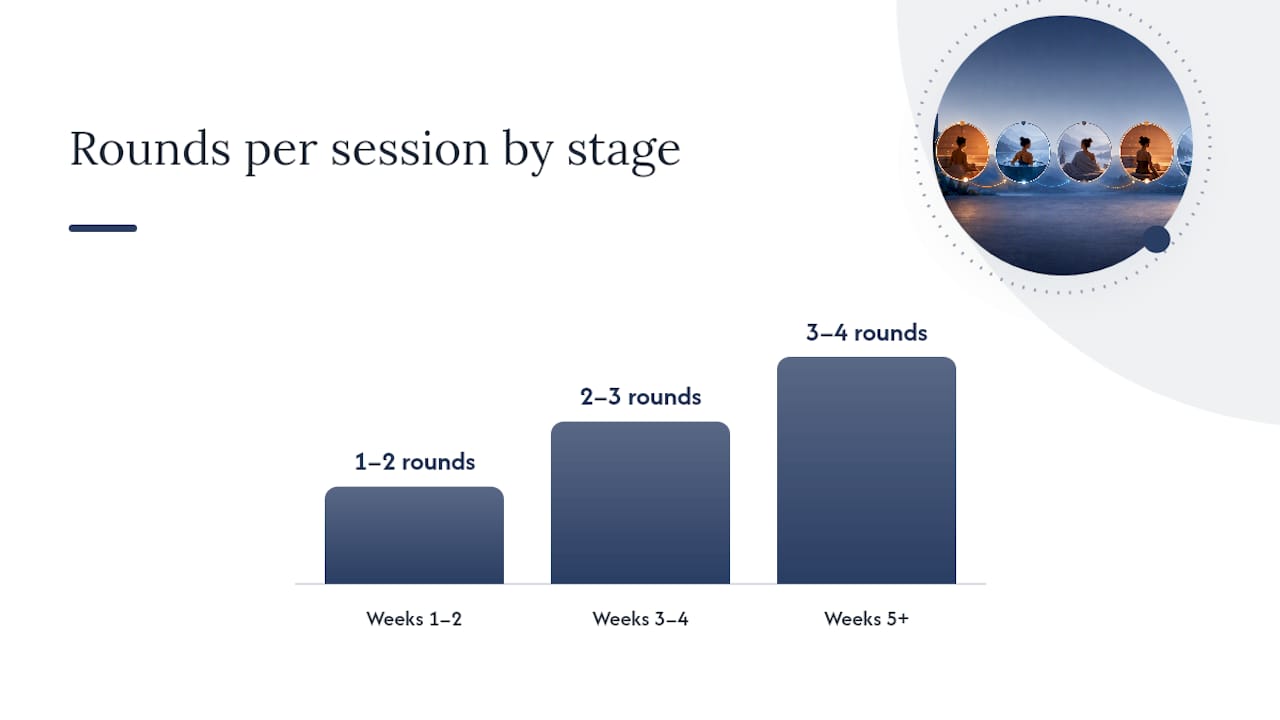
Jumping straight to advanced temperatures is the fastest way to quit contrast therapy after one bad session. A staged approach over four to six weeks builds real tolerance instead.
- Weeks 1 to 2: short sauna sittings, plunge water at 60 to 65°F, 30 to 90 seconds per cold round, 1 to 2 rounds total.
- Weeks 3 to 4: longer sauna time, plunge water at 45 to 55°F, 1 to 3 minutes per round, 2 to 3 rounds total.
- Weeks 5 and beyond: 3 to 4 rounds, plunge water as cold as 38 to 50°F for experienced users, with weekly total cold exposure building gradually rather than jumping all at once.
Watch for two signals that you’re ready to progress: less shock on entry and reduced shivering afterward. If you notice your heart racing longer than usual, dizziness, or dread before each session, that’s your cue to regress to the previous week’s settings rather than push forward.
Pro Tip: Track your plunge duration and water temperature in a notes app after every session. Patterns in your recovery speed will show up faster than you expect, usually within two to three weeks.
Who Should Avoid Sauna and Cold Plunge Contrast Therapy?
Contrast therapy is safe for most healthy adults, but it isn’t risk-free. Systematic reviews document rare but real cardiovascular events when heat-and-cold protocols get misused, particularly in people with existing heart conditions.
Get medical clearance before starting if you have any of these:
- A recent cardiac event, arrhythmia, or uncontrolled high blood pressure.
- You’re pregnant.
- You take medications that affect blood pressure, heart rate, or temperature regulation.
Session rules that reduce risk for everyone:
- Keep sauna time to roughly 15 to 20 minutes per sitting.
- Skip alcohol entirely on session days.
- Rehydrate with 16 to 32 ounces of water after finishing.
- Stop immediately if you feel dizzy, nauseated, or unusually short of breath.
For cold exposure, avoid staying longer than a few minutes in very cold water without gradual acclimation. Violent shivering or confusion should prompt immediate exit. If severe symptoms like chest pain, fainting, or disorientation occur during or after a session, seek emergency medical care immediately.
When Should You Do Cold Plunge Before Sauna Instead?
The sauna first sequence fits most goals, but a few situations justify flipping it.
- Sleep prep: if bedtime is less than 90 minutes away, end on heat instead of cold. The parasympathetic effect from warmth supports relaxation better than a late norepinephrine spike does.
- Morning energy: a standalone cold session or cold-first approach can work well for an AM routine focused purely on alertness.
- Split scheduling: running cold in the morning and sauna in the evening as separate sessions is a valid way to get both benefits without cramming them into one sitting.
- Tolerance or clinical limits: if sustained heat exposure isn’t advisable for you, a standalone cold protocol under guidance may be the safer path.
Why Publisher Expertise Matters for Home Sauna and Plunge Setups
Building a safe contrast therapy setup at home means matching equipment to the temperature ranges that actually produce results. A plunge that can’t hold steady water below 55°F won’t get you into the beginner-to-intermediate range this protocol calls for.
A few buying factors worth weighing before you commit:
- Chiller capacity: determines how consistently your unit holds target temperatures through repeated sessions.
- Tub material: stainless steel and heavy-duty plastic each handle daily use differently over years of exposure.
- Footprint: measure your space before choosing between compact and full-size options.
- Maintenance: filtration and water treatment needs vary significantly by chiller type.
For a deeper walkthrough of pairing equipment correctly, Saunaheatersupply’s guide on pairing saunas and plunge tubs covers setup specifics this article doesn’t have room for.
What I’d Actually Recommend for Each Goal
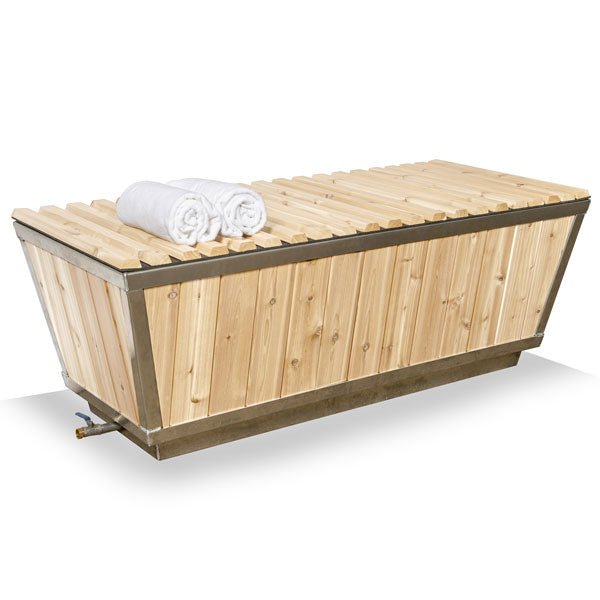
For post-workout recovery, sauna first then cold plunge, full stop. For sleep prep, keep the sauna shorter and finish hot rather than cold. For morning energy, a cold-first or standalone cold session beats forcing the full sequence before coffee.
Whatever your goal, hydrate before you start, keep a towel within reach for the transition, and use a timer instead of guessing at minutes. Track your sessions for a few weeks before you judge whether the protocol is working. Progress slowly. The people who quit contrast therapy almost always quit because they started too cold, too fast.
— Teddy
Ready to Build Your Own Sauna and Cold Plunge Setup?
Reading the protocol is one thing. Having equipment that actually holds 50°F reliably through three rounds is another. There are plunge tubs and sauna kits built for the temperature ranges this protocol calls for, often supported by staff who can assist with sizing a chiller correctly the first time.
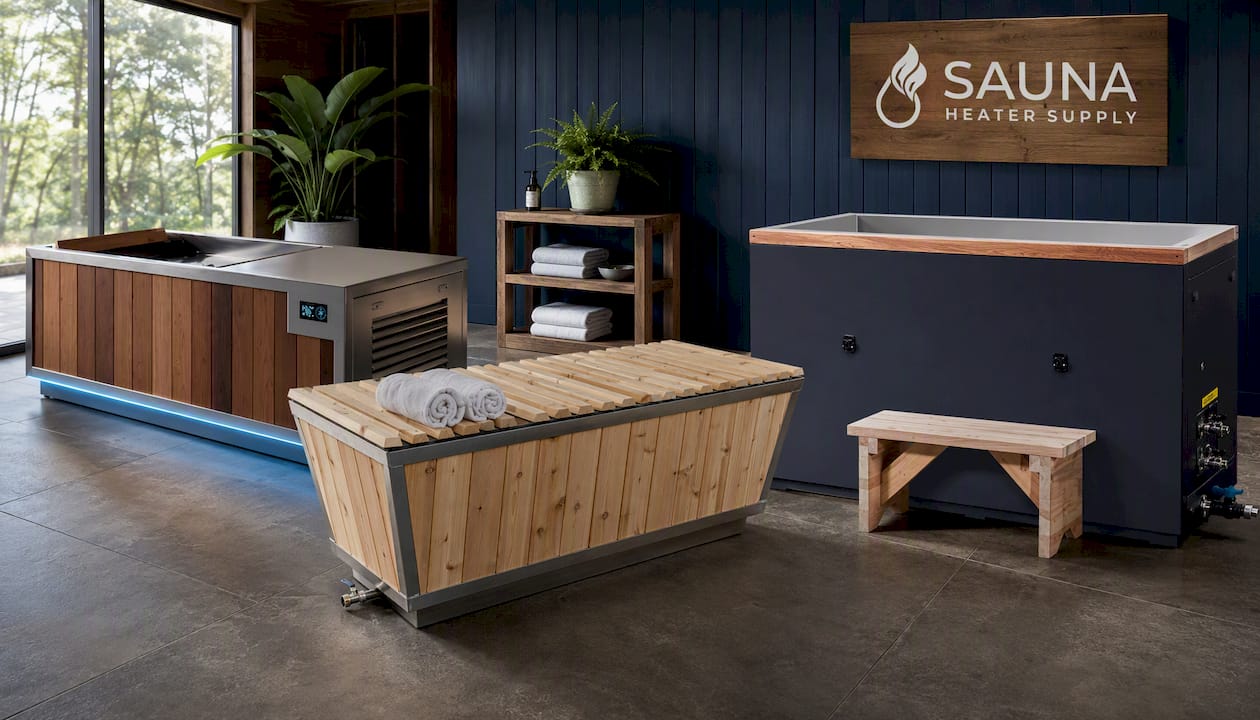
If you want a compact, chiller-driven option that holds precise temperatures without a huge footprint, the Finnmark SoulCold™ fits homeowners short on space but serious about consistency. For households or hospitality settings that need more capacity and durability, the Dundalk LeisureCraft Polar Plunge Tub holds up to daily use with strong customer reviews behind it. And if you’re comparing materials before you commit, the Dynamic Cold Therapy CUBOID gives you a stainless steel option worth weighing against plastic builds. Hospitality operators building out guest amenities can also look at how properties like Golem Hotel integrate cold immersion into their spa offerings.
Browse the full plunge and sauna kit lineup on the Saunaheatersupply site, or reach out for a quote if you need help sizing equipment to your space.
Sources
- Sauna bathing and health — PMC (2026 review)
- Saunas and your health — Harvard Health
- Sauna & cold plunge contrast therapy — PlungeHQ
This article is general information, not a substitute for advice from a qualified doctor. Consult a qualified healthcare professional about your own circumstances before acting on anything here.