









Cold Plunge with Sauna: Benefits, Protocol, and Best Kits
Contrast therapy, the practice of alternating between sauna heat and cold water immersion, is one of the most effective recovery and wellness protocols available for home and business use. The correct sequence always starts with the sauna, then transitions to the cold plunge. That order matters: starting hot primes the cardiovascular system through vasodilation, making the subsequent cold vasoconstriction significantly more effective. Full immersion in a cold plunge delivers stronger neurochemical and circulatory responses than cold showers alone.
Table of Contents
- What does combining sauna and cold plunge actually do to your body?
- How to use sauna and cold plunge together safely
- Recommended sauna and cold plunge kits for home and business use
- How to choose the right sauna heater for a contrast therapy setup
- How to keep your sauna and cold plunge clean and performing well
- What users say about contrast therapy at home
- Saunaheatersupply has the heaters and expertise to complete your setup
- Key Takeaways
What does combining sauna and cold plunge actually do to your body?
The physiological case for contrast therapy is well-documented. Alternating between high heat and cold immersion creates a vascular “pump” effect: the sauna dilates blood vessels, and the cold plunge causes them to constrict rapidly. This cycling flushes metabolic waste from muscle tissue and drives fresh, oxygenated blood back through the body.
The neurochemical response is equally significant. Cold water immersion at low temperatures triggers a large rise in plasma norepinephrine, producing sustained calm focus and mood enhancement well after the session ends. Dopamine levels also rise, which explains the mental clarity most users report.
On the hormonal side, sauna heat exposure drives measurable growth hormone release. Sessions at 176°F show significant GH spikes, and multiple hot-cold cycles within a single session can amplify that effect further. For athletes and active individuals, this translates to faster tissue repair and reduced soreness.
Cardiovascular research supports consistent contrast therapy practice as well. A study published in PMC found that regular sauna use is associated with reduced risk of cardiovascular events, and the addition of cold exposure compounds circulatory resilience over time.
Key benefits at a glance:
- Circulation: Vascular pump effect flushes metabolic waste and delivers fresh blood to muscles.
- Mood and focus: Norepinephrine surge of over 500% from cold immersion sustains alertness for hours.
- Hormonal recovery: Growth hormone increases of 200–300% from heat exposure support tissue repair.
- Cardiovascular resilience: Regular sessions strengthen circulatory adaptability.
- Sleep quality: Many users report deeper sleep following evening contrast therapy sessions.
How to use sauna and cold plunge together safely
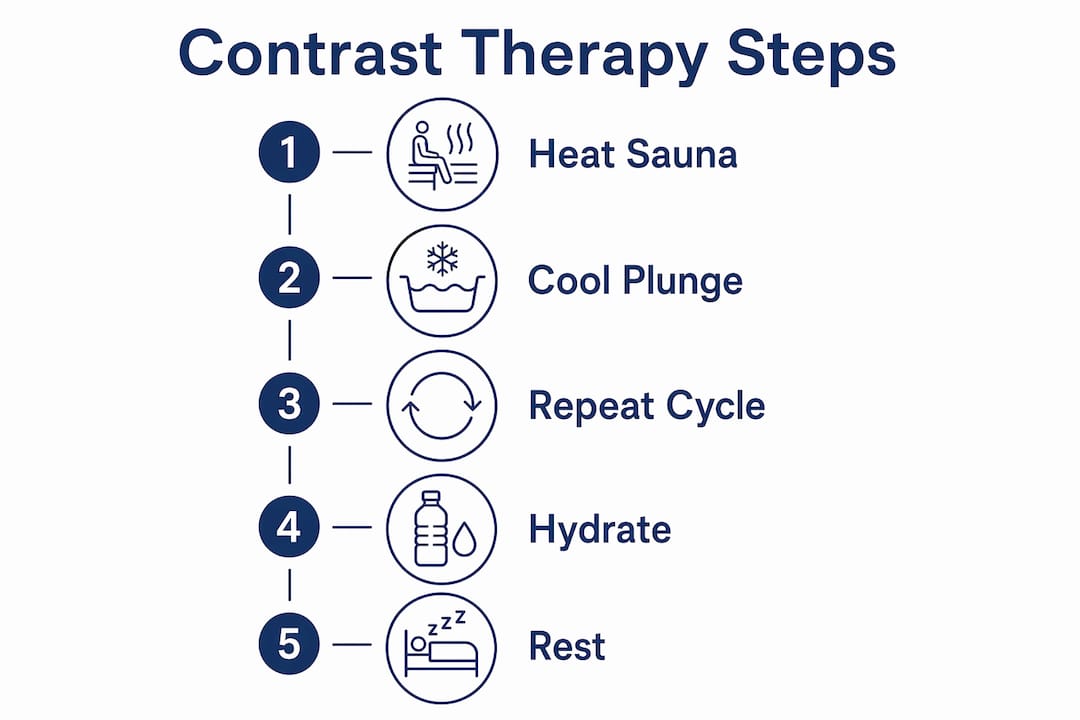
The sequence is non-negotiable: sauna first, cold plunge second. Reversing the order reduces the vascular cycling effect and limits the neurochemical response.
Recommended timing by experience level:
- Beginners: 10 minutes in the sauna, 30–60 seconds in the cold plunge.
- Intermediate: 15 minutes in the sauna, 90 seconds to 2 minutes in the cold plunge.
- Advanced: Up to 20 minutes in the sauna, 2–4 minutes in the cold plunge.
Cold plunge exposure beyond 3–4 minutes offers diminishing neurochemical returns and increases cardiovascular stress, so controlled timing is critical regardless of experience level.
Safety guidelines:
- Move slowly between the sauna and cold plunge. Running or moving quickly can cause orthostatic hypotension, a sudden drop in blood pressure that leads to dizziness.
- Control your breathing during the transition. Slow, deliberate exhales reduce cold shock response.
- Rest passively for 5–10 minutes between rounds to allow heart rate to normalize.
- Anyone with a cardiovascular condition, cold sensitivity, or compromised thermoregulation should consult a physician before starting contrast therapy.
- Do not use contrast therapy when ill or feverish.
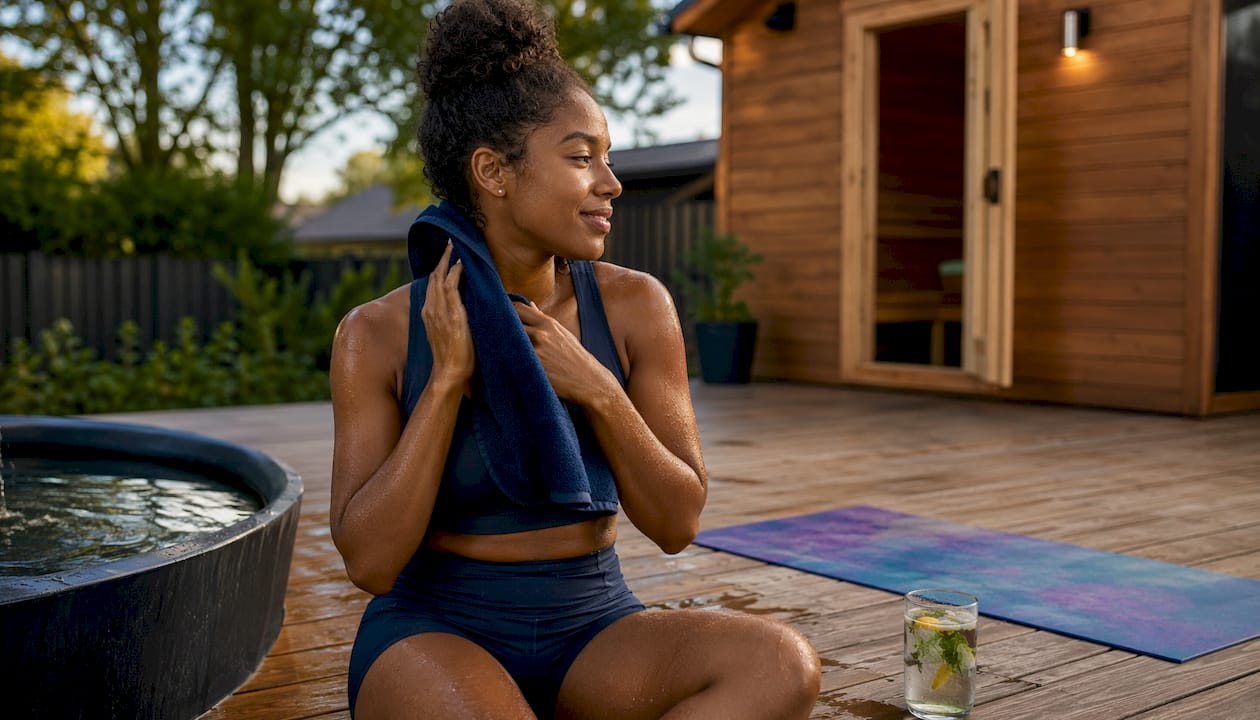
Pro Tip: Dry off sweat before entering the cold plunge. Wet skin from perspiration creates an uneven cold sensation and amplifies the shock response, making the transition harder than it needs to be.
A second sauna round is typically easier than the first. Core temperature is already elevated, so reaching a deep sweat takes less time, which makes multi-round sessions efficient without requiring longer heat exposure.
Recommended sauna and cold plunge kits for home and business use
Choosing the right kit depends on your space, budget, heater preference, and whether you need a residential or commercial-grade setup. The table below covers the most relevant options currently available.
| Product | Best For | Heater Type | Capacity | Pricing Range | Ease of Setup |
|---|---|---|---|---|---|
| Redwood Outdoors Fire and Ice Kit | Home wellness, bundled value | Wood-fired or electric | 2–4 persons | — | Moderate; professional install recommended |
| Plunge Cold Plunge | Cold therapy add-on to any sauna | Active chiller (electric) | 1 person | — | Easy; plug-in chiller unit |
| Denali Cold Plunge | Year-round outdoor cold therapy | Passive insulation + chiller | 1 person | — | Easy; minimal assembly |
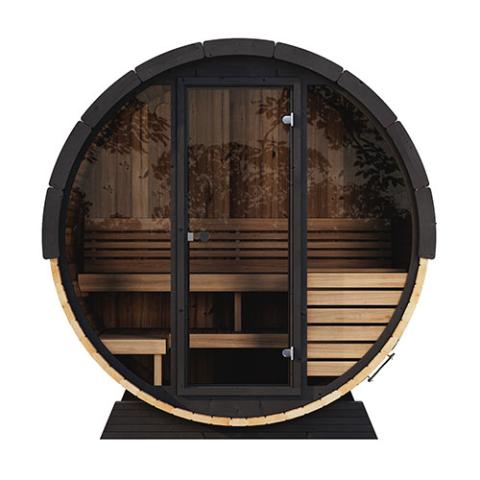
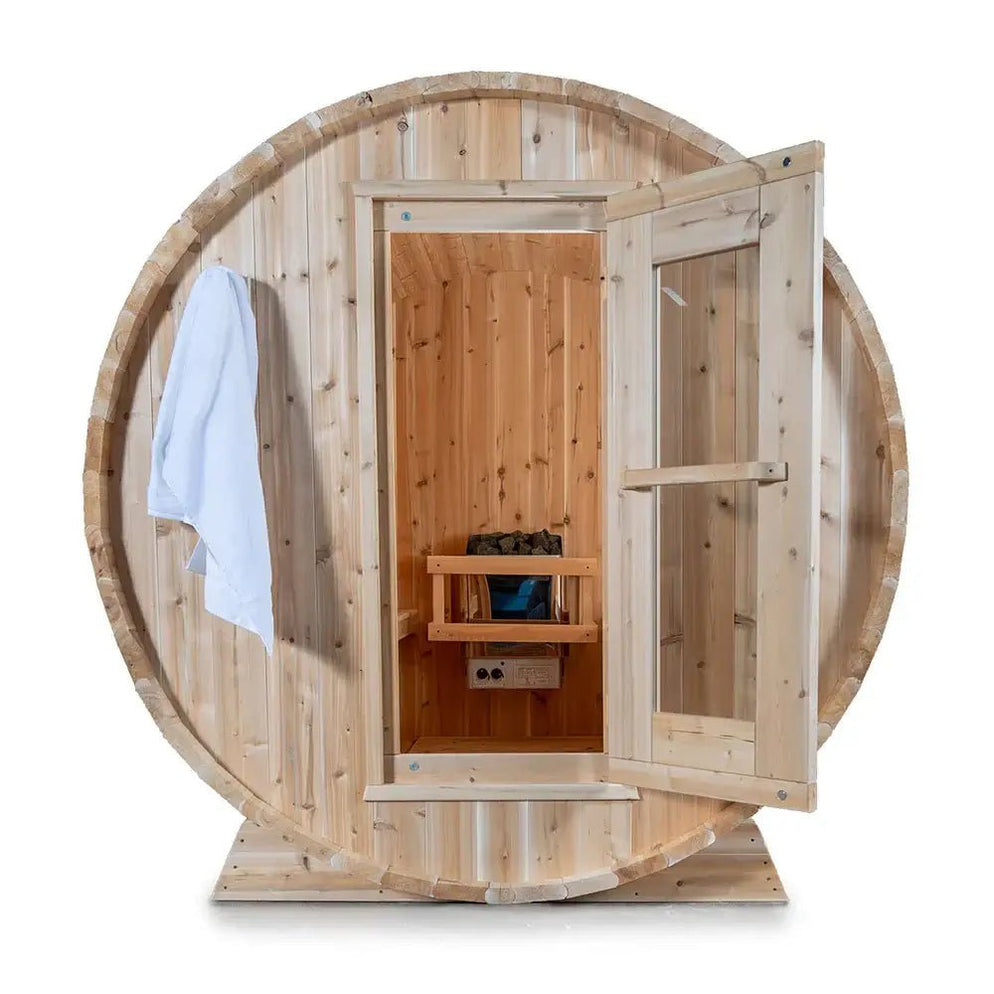
| Cove Outdoor Sauna | Small yards, entry-level home use | Electric | 2 persons | — | Moderate |
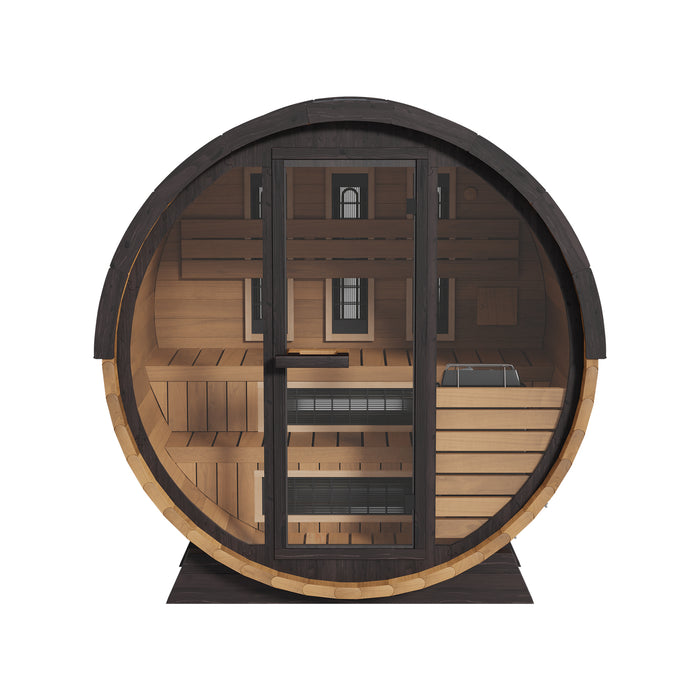
| Vista Outdoor Sauna | Mid-size home or small commercial | Electric or wood-fired | 2–4 persons | — | Moderate to complex |
| Horizon Outdoor Sauna | Commercial facilities, large groups | Electric or wood-fired | 4–6 persons | — | Complex; professional install required |
Installation considerations:
- Sauna heaters and cold plunge chillers draw significant power simultaneously. Dedicated electrical circuits are required to prevent breaker trips during combined operation.
- Outdoor installations need proper drainage for the cold plunge and weatherproofing for both units.
- Wood-fired sauna setups require chimney clearance and local fire code compliance.
- Gas-powered heaters need a licensed gas line connection and are less common in residential installs.
For buyers comparing bundle value, the Redwood Outdoors Fire and Ice Kits offer the most complete out-of-the-box pairing. The Plunge Cold Plunge unit is the most popular standalone cold plunge for buyers who already own a sauna and want to add cold therapy.
How to choose the right sauna heater for a contrast therapy setup
The sauna heater is the foundation of any contrast therapy setup. Getting the wattage, fuel type, and control system right determines how quickly the sauna reaches temperature and how consistently it holds it through multiple rounds.
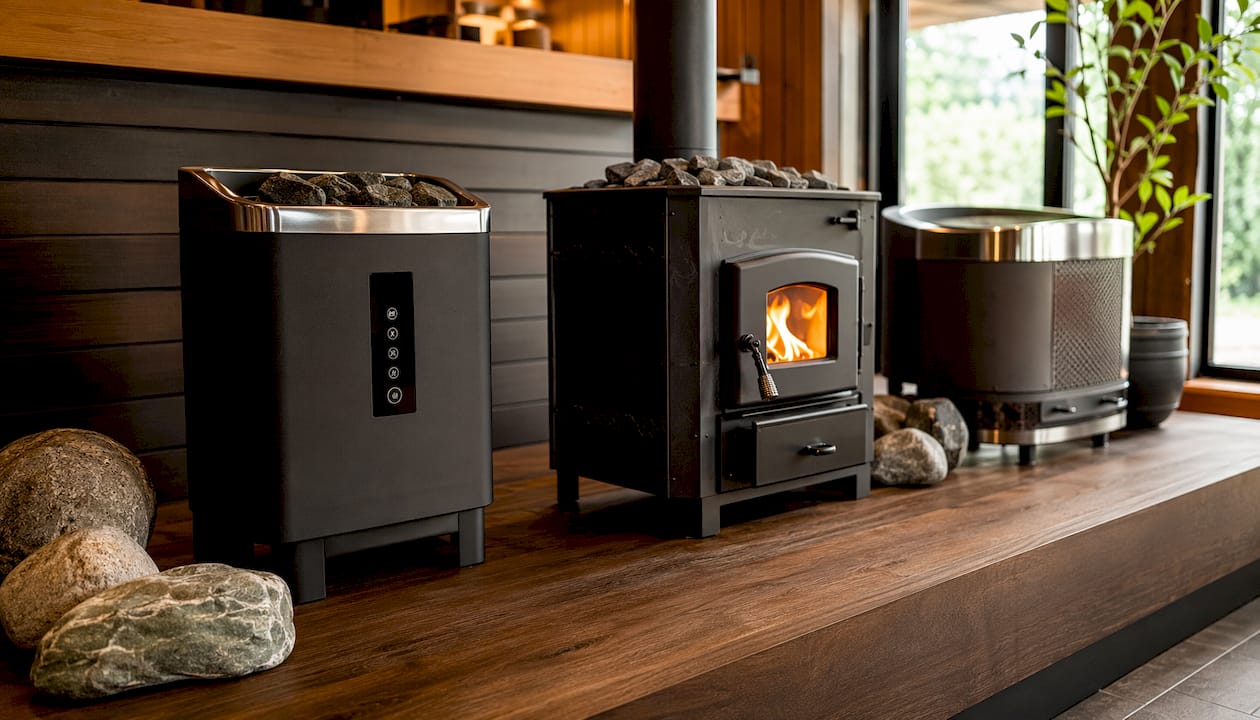
Electric heaters are the most practical choice for most home installations. They heat quickly, require no fuel storage, and integrate with digital thermostats and Wi-Fi controls. The Saunum AirSolo 70 and Saunum AirSolo 80 are strong options for residential contrast therapy setups, offering precise temperature control and efficient heat distribution. For larger commercial saunas, the Harvia Cilindro and Harvia Virta series deliver the sustained output needed for multi-user sessions.
Wood-fired heaters produce a traditional, high-humidity heat that many users prefer for the sensory experience. They take longer to reach temperature (typically 45–60 minutes) and require more active management, but they perform well in outdoor barrel saunas where electrical access is limited.
Gas heaters are less common but useful in commercial settings where natural gas infrastructure is already in place. They heat faster than wood and are easier to control than open-fire stoves.
Matching heater capacity to sauna size:
- Small saunas (up to 150 cubic feet): 4–6 kW electric heater.
- Medium saunas (150–300 cubic feet): 6–9 kW electric heater.
- Large or commercial saunas (300+ cubic feet): 9–15+ kW electric heater.
Pro Tip: For a paired sauna and cold plunge setup, choose a heater with a digital thermostat or Wi-Fi control like the Saunum AirIQ Wi-Fi. Pre-scheduling heat cycles means the sauna is ready when you are, without wasted energy or waiting time.
Saunaheatersupply carries electric, wood-fired, and gas heater options across all capacity ranges, with expert consultation available to match the right heater to your specific sauna dimensions and contrast therapy goals.
How to keep your sauna and cold plunge clean and performing well
Maintenance is straightforward but consistent attention prevents costly repairs and keeps both units hygienic.
Sauna maintenance:
- Wipe down benches and walls with a mild, non-toxic cleaner after each use. Cedar and hemlock absorb sweat and oils over time, which can cause odor and discoloration.
- Sand wooden surfaces lightly once or twice per year to refresh the wood and remove surface staining.
- Inspect heater stones every 6–12 months. Cracked or degraded stones reduce heat efficiency and should be replaced.
- Check electrical connections and thermostat calibration annually, especially in outdoor installations exposed to humidity.
Cold plunge maintenance:
- Change the water in passive cold plunge tubs every 1–2 weeks, or more frequently with heavy use. Stagnant water harbors bacteria quickly.
- For units with active chillers, clean the filter weekly and check refrigerant levels per the manufacturer’s schedule.
- Use a food-grade sanitizer or UV filtration system to maintain water quality between changes.
- Inspect seals and drainage fittings seasonally to prevent leaks.
Pairing a consistent cleaning routine with proper water chemistry in the cold plunge extends the life of both systems and keeps the contrast therapy experience safe and comfortable.
What users say about contrast therapy at home
Wellness professionals and home users who have built out sauna and cold plunge setups consistently report the same outcomes: faster muscle recovery after training, improved sleep quality, and a measurable lift in daily mood and mental clarity.
Athletes using contrast therapy as part of a structured recovery protocol note that the cold plunge immediately following a sauna session reduces next-day soreness more effectively than ice baths alone. The heat priming effect, where the sauna raises core temperature before cold immersion, appears to deepen the recovery response.
Home wellness users, particularly those who installed outdoor barrel saunas paired with a standalone cold plunge unit, frequently cite the routine itself as a meaningful part of their day. The structured nature of the protocol, timed rounds with deliberate transitions, creates a meditative quality that users find as mentally restorative as it is physically beneficial.
Commercial spa and gym operators who have added contrast therapy stations report strong member engagement. The combination of sauna and cold plunge as a paired amenity draws consistent repeat use and differentiates wellness facilities from standard gym offerings. For vacation rental operators, a sauna and cold plunge pairing is increasingly cited as a premium feature that supports higher nightly rates and occupancy.
Saunaheatersupply has the heaters and expertise to complete your setup
Building a contrast therapy setup at home or in a commercial space starts with the right sauna heater, and that is exactly where Saunaheatersupply delivers. Rather than sorting through generic product listings, you get expert curation across electric, wood-fired, and gas heater categories, matched to your sauna’s cubic footage and your specific contrast therapy goals. The Saunum Air 7 suits residential installs, while commercial-grade options from Harvia handle larger facilities. Every purchase comes with a price match guarantee and access to knowledgeable support staff who understand sauna and cold plunge integration, not just heater specs. Browse the full range of premium sauna heaters at Saunaheatersupply and get the right unit for your setup.
Key Takeaways
Pairing a cold plunge with sauna in a structured contrast therapy routine delivers measurably stronger recovery, mood, and cardiovascular benefits than either modality alone.
| Point | Details |
|---|---|
| Always start with the sauna | Heat exposure first maximizes vasodilation, making cold vasoconstriction more effective in each cycle. |
| Time your cold plunge carefully | Beginners: 30–60 seconds; advanced users: up to 4 minutes. Beyond 4 minutes, benefits diminish and risk increases. |
| Electrical planning is critical | Sauna heaters and cold plunge chillers require dedicated circuits to operate simultaneously without tripping breakers. |
| Match heater size to sauna volume | Small saunas need 4–6 kW; medium saunas need 6–9 kW; large or commercial saunas need 9–15+ kW. |
| Saunaheatersupply for heater selection | Saunaheatersupply offers curated electric, wood-fired, and gas heaters with expert consultation and a price match guarantee. |