









Sauna Muscle Recovery: The Evidence-Based Protocol
Sauna sessions, especially infrared, help muscle recovery in two measurable ways: a single post-workout session reduces soreness and protects explosive power, while repeated sessions over weeks expand plasma volume and improve endurance capacity. A randomized crossover trial in 16 athletes found that a 20-minute infrared sauna session at roughly 43°C after resistance training reduced perceived soreness and softened the drop in explosive performance measured 14 hours later. That is a specific, testable claim, not general wellness advice.
The strongest actionable takeaway from the research: use infrared sauna within the first hour after training, at moderate heat, for 20 minutes, if your goal is faster next-day performance. Repeated use, three to five sessions weekly over several weeks, is what drives the bigger cardiovascular payoff, including plasma volume increases after consecutive sessions.
One caveat before you build a routine around this: heat stress adds real cardiovascular load, and it interacts with dehydration, certain blood pressure medications, and pregnancy in ways that matter. The safety section below covers exactly who should check with a clinician first and what warning signs mean stop the session.
- Single-session effect: Reduces DOMS and protects next-day power output.
- Repeated-session effect: Expands plasma volume, improves time-to-exhaustion in endurance testing.
- Best-supported protocol: 20 minutes, infrared, around 43°C, taken shortly after training.
- Safety note: Not appropriate for everyone with cardiovascular conditions or on certain medications without medical clearance.
Key Takeaways
Infrared sauna sessions at approximately 43°C for 20 minutes post-workout reduce muscle soreness and protect explosive power, while repeated sessions over weeks expand plasma volume and endurance capacity.
| Point | Details |
|---|---|
| Core verdict | A single 20-minute infrared session after training reduces soreness and preserves next-day power output. |
| Repeated-use benefit | Consistent sessions, 3 to 5 times weekly, expand plasma volume by a modest to moderate amount and improve endurance capacity over weeks. |
| Safety priority | Skip or get medical clearance first if you have cardiovascular disease, uncontrolled blood pressure, or are pregnant. |
| Progress tracking | Watch subjective soreness scores and jump or sprint performance the day after training to confirm the protocol is working. |
| Home consistency | Saunaheatersupply’s infrared kits and ergonomic backrests help athletes hit the repeated-use frequency the research depends on. |
Table of Contents
- What the Research Actually Shows About Sauna and Muscle Recovery
- How Heat Actually Speeds Up Muscle Recovery
- Infrared vs. Traditional Sauna: Which One the Studies Actually Used
- Your Step-by-Step Post-Workout Sauna Protocol
- Who Should Skip or Modify Sauna Recovery Sessions
- Pairing Sauna With Cold Plunges, Sleep, and Nutrition
- A One-Page Routine You Can Save and Follow
- Why We Recommend an Evidence-Aligned, Infrared-First Approach
- Building a Home Setup That Makes Recovery Consistent
- Frequently Asked Questions
- Sources
What the Research Actually Shows About Sauna and Muscle Recovery
The evidence base here is small but unusually precise for a wellness topic. Most of the strongest data comes from a handful of controlled trials on infrared sauna, not the broad population studies you see cited for general sauna health claims.
The PMC-published crossover RCT is the anchor study. Sixteen resistance-trained athletes completed a workout, then either sat in a 20-minute infrared sauna session at approximately 43°C or had a passive recovery period. Researchers measured soreness ratings and countermovement jump performance at 14 hours post-exercise. The sauna group reported less soreness and showed a smaller decline in jump performance, a proxy for explosive muscular power. A related trial with the same design confirmed the countermovement jump finding using full-spectrum infrared exposure against a passive-recovery control group.
Endurance outcomes come from a different line of research. Studies on repeated post-exercise sauna bathing, including work by Scoon and colleagues, found that consecutive sauna sessions expanded plasma volume by 7% to 17%, and some trials reported time-to-exhaustion improvements as high as 32% after a repeated-exposure protocol. Plasma volume expansion is a well-established endurance adaptation, similar to what altitude training or heat acclimatization protocols produce, so seeing it show up from sauna exposure alone is notable.
A six-week study on repeated post-training infrared sauna use adds an important nuance: participants who used infrared sauna three times weekly for 10 minutes at 50°C after training showed improvements in certain power metrics, but researchers found no significant difference in muscle hypertrophy between the sauna group and controls. Sauna helps you recover faster and perform better session to session. It does not appear to build more muscle mass on its own.
Strengths of this evidence:
- Randomized, controlled designs with objective performance measures (not just self-reported soreness).
- Consistent direction of effect across multiple independent trials.
- Precise reporting of temperature, duration, and timing, rare in recovery research.
Limitations to keep in mind:
- Sample sizes are small, 16 to 20 participants in the core trials.
- Most subjects were trained athletes, so results may not fully generalize to recreational lifters.
- Sauna type varied across studies, which complicates direct comparison.
- Systematic reviews of heat therapy suggest DOMS reductions in the range of 15% to 25% compared to passive rest, a meaningful but not dramatic effect.
| Study | Design | Population | Sauna Type/Temp/Duration | Primary Outcome | Limitation |
|---|---|---|---|---|---|
| Post-exercise infrared sauna RCT | Randomized crossover | 16 resistance-trained athletes | Infrared, ~43°C, 20 min | Reduced soreness, protected jump performance at 14 hrs | Small sample |
| Neuromuscular recovery trial | Randomized crossover | Resistance-trained adults | Full-spectrum infrared | Attenuated CMJ decline vs. passive recovery | Short follow-up window |
| Repeated-use hypertrophy study | Controlled, 6 weeks | Trained participants | Infrared, 50°C, 10 min, 3x/week | Improved some power metrics, no hypertrophy difference | No significant muscle growth signal |
| Endurance plasma volume study | Repeated intervention | Endurance-trained subjects | Post-exercise sauna, repeated sessions | Plasma volume up 7-17%, time-to-exhaustion gains reported | Endurance-specific, limited generalizability |
How Heat Actually Speeds Up Muscle Recovery
Heat does not “melt away” soreness by magic. It triggers a cascade of physiological responses that overlap with recovery, and the research points to a few specific mechanisms worth understanding before you build your own protocol.
Peripheral vasodilation happens first. Heat exposure widens blood vessels near the skin and in working muscle tissue, which increases local blood flow. More blood flow means faster delivery of oxygen and nutrients to fatigued tissue, and faster clearance of metabolic byproducts that accumulate during hard training. Harvard Health’s review of heat exposure points to this circulatory boost as one of the most consistent cardiovascular effects of regular sauna or hot bath use.
Heat shock proteins, or HSPs, are the second mechanism, and they are the one most directly tied to muscle repair. Moderate heat stress measurably raises HSP expression in muscle tissue. These proteins act as molecular chaperones, helping damaged proteins refold correctly after the microtrauma that resistance training causes. More HSP activity likely explains part of why soreness drops and next-day power output holds up better in the sauna groups across these trials.
Plasma volume expansion, the mechanism behind the endurance gains, works differently. Repeated heat exposure signals the body to retain more fluid in the bloodstream over time, similar to the adaptation that happens with heat acclimatization training used by endurance athletes preparing for hot-weather races. This is a cumulative effect. You will not see it from one session; it builds across weeks of consistent exposure.
There is also an autonomic nervous system shift worth knowing about. Research on repeated heat exposure and heart rate variability suggests regular sauna use nudges the body toward greater parasympathetic dominance over time, the “rest and digest” state that supports systemic recovery between hard training blocks. Interestingly, some research on pre-exercise heat exposure also shows a sauna session before eccentric exercise can reduce sensory impairment afterward, suggesting heat’s protective effect may not be limited to post-workout timing alone.
Put simply: heat widens blood vessels and speeds nutrient delivery, which triggers HSP production for tissue repair, which shows up downstream as less soreness and better preserved power output. Repeated over weeks, the same heat stress expands blood plasma volume, which shows up as better endurance capacity.
Pro Tip: Timing matters more than most people realize. HSP response and the acute anti-inflammatory signaling from heat exposure appear strongest when the sauna session happens within roughly an hour of finishing your workout, while your muscles are still in the active inflammatory phase of repair. Waiting until the next day blunts the connection between the heat stress and the recovery signal you are trying to trigger.
Infrared vs. Traditional Sauna: Which One the Studies Actually Used
Most of the strongest muscle recovery data comes from infrared sauna, not the high-heat, dry Finnish-style sauna most people picture when they hear the word. That distinction matters for anyone trying to replicate these protocols.
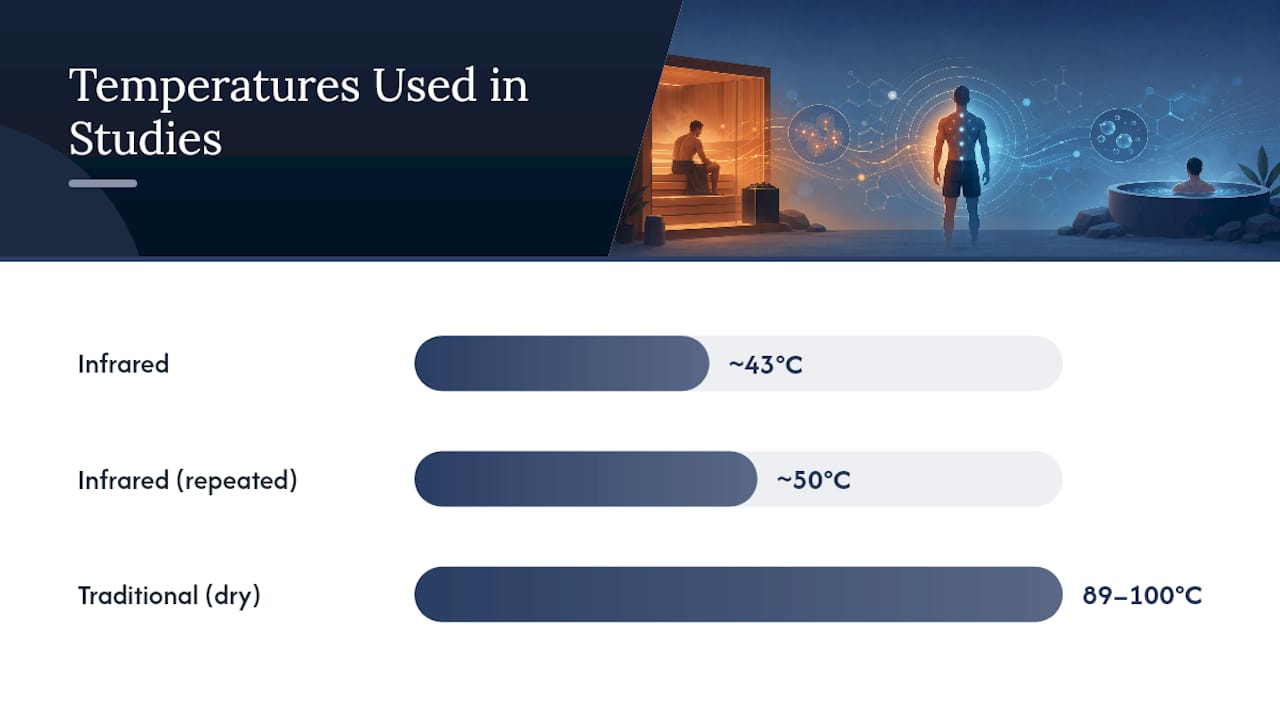
The anchor RCTs used infrared exposure at a measured air temperature around 43°C, noticeably cooler than a traditional dry sauna, which commonly runs between 80°C and 100°C. Infrared panels heat the body directly through infrared light penetration rather than heating the surrounding air, which is why sessions feel tolerable at lower ambient temperatures while still raising core and tissue temperature effectively. That lower thermal load is likely why study participants could complete full 20-minute sessions without the cardiovascular strain that longer exposure at higher traditional-sauna temperatures can produce.
The endurance-focused plasma volume studies, by contrast, sometimes used higher-temperature traditional saunas in the range of 89°C to 100°C, with humidity levels influencing the degree of physiological strain. Higher heat and humidity appear to drive stronger cardiovascular adaptation signals, which may explain why the biggest plasma volume and endurance gains showed up in protocols using more intense thermal exposure than the infrared soreness studies did.
Practically, this means your sauna type should match your goal. If you are chasing faster next-day recovery after a lifting session, the infrared vs. traditional sauna comparison matters less on paper, but the lower, more tolerable heat of infrared makes it easier to hit a consistent 20-minute session several times a week without it feeling like a chore. If you are training for an endurance event and want the cardiovascular adaptation, a traditional sauna’s higher heat load may accelerate the plasma volume response, though at the cost of shorter tolerable session length.
| Sauna Type | Temperature Used in Studies | Session Length | Best-Matched Goal |
|---|---|---|---|
| Infrared | ~43°C (air temp) | 20 minutes | Soreness reduction, next-day power retention |
| Infrared (repeated-use protocol) | ~50°C | 10 minutes, 3x weekly | Sustained power output over weeks |
| Traditional (dry) | 89°C to 100°C | Shorter tolerable duration | Endurance/plasma volume adaptation |
Your Step-by-Step Post-Workout Sauna Protocol
Here is the sequence the research supports, translated into something you can actually follow after a training session.
- Finish your workout and cool down for 10 to 15 minutes. This lets your heart rate settle before you add thermal stress. It is a widely used practitioner rule, even though it has not been formally tested in isolation.
- Rehydrate before you enter. Drink water or an electrolyte beverage; you are about to sweat again, and starting dehydrated raises cardiovascular strain unnecessarily.
- Choose your temperature and duration based on your training goal. For resistance training recovery, aim for roughly 20 minutes in an infrared sauna at approximately 43°C, matching the primary RCT protocol. For endurance-focused adaptation work, longer or hotter traditional sauna exposure, closer to 30 minutes, aligns better with the plasma-volume research, provided you can tolerate it safely.
- Monitor yourself during the session. Watch for dizziness, unusually rapid heart rate, or nausea. Step out immediately if any of these appear.
- Rehydrate again afterward, and check urine color as a rough hydration marker, pale yellow is the target.
- Repeat 3 to 5 times per week for cumulative benefits. A single session helps with next-day soreness and power retention. The plasma volume and endurance gains build over consecutive weeks of consistent exposure.
Not everyone has access to a full sauna every day. If your schedule or space is limited:
- A 10-minute session at slightly higher heat can substitute in a pinch, though it will not fully replicate the 20-minute protocol’s tested outcomes.
- Prioritize sauna sessions after your hardest training days, when soreness and performance protection matter most, rather than trying to fit one in after every workout.
- A home infrared setup removes the scheduling friction of a gym or spa sauna, which matters if consistency, not access to peak heat, is your real limiting factor.
Who Should Skip or Modify Sauna Recovery Sessions
Heat stress is not risk-free, and the same cardiovascular response that helps circulation in healthy people can be dangerous for others. This section is about knowing your own risk profile before you build sauna sessions into your training routine.
Check with a clinician first if you have:
- Cardiovascular disease or a history of heart attack or stroke.
- Uncontrolled or poorly managed high blood pressure.
- You are pregnant.
- You take diuretics, certain blood pressure medications, or other drugs that affect fluid balance or heart rate response.
- A history of fainting or dizziness in heat.
Practical safety measures for everyone else:
- Rehydrate before and after every session, more if you sweat heavily during training.
- Wait 10 to 15 minutes after intense exercise before entering, allowing heart rate to decline.
- Keep a water bottle inside the sauna for longer sessions.
- Exit immediately if you feel lightheaded, nauseated, or notice your heart racing well beyond what the heat alone would explain.
A large body of population and clinical research on sauna bathing shows meaningful cardiovascular and circulatory benefits for healthy adults, but the same reviews are explicit that individual risk varies and personalized medical screening matters for people with existing heart, blood pressure, or pregnancy-related concerns.
This article provides general information based on published research and is not a substitute for personalized medical advice. If you have a cardiovascular condition, are pregnant, or take medications affecting heart rate or fluid balance, talk to your doctor before starting a regular sauna recovery routine.
Pairing Sauna With Cold Plunges, Sleep, and Nutrition
Sauna recovery does not happen in isolation. How you sequence it with other recovery methods can amplify or blunt the benefit.
Do:
- Use sauna after active recovery work like light cycling or walking, letting the heat build on blood flow already elevated from movement.
- Prioritize protein intake and sleep on the same day as a sauna session, since HSP-driven repair and plasma volume adaptation both depend on adequate recovery resources elsewhere in your routine.
- Consider pairing cold plunge with sauna on lower-intensity training days, when you are not chasing maximum hypertrophy signaling.
Don’t:
- Immediately follow a heavy hypertrophy-focused lifting session with cold water immersion if muscle growth is your primary goal that week. Some research on thermal and cold interventions suggests aggressive cold exposure right after resistance training may blunt anabolic signaling, an effect not seen with heat-based recovery in the same way.
- Stack sauna and cold plunge back to back without a recovery buffer between them if your goal is muscle building rather than general recovery or mental resilience.
- Skip sleep and nutrition and expect sauna alone to compensate. Heat exposure supports the repair process; it does not replace the raw materials, protein, calories, and rest, that repair actually requires.
A One-Page Routine You Can Save and Follow
Two simple protocols cover most training goals, built directly from the study designs above.
Resistance training recovery protocol:
- Timing: Within 60 minutes post-workout, after a 10 to 15 minute cool-down.
- Sauna type/temperature: Infrared, approximately 43°C.
- Duration: 20 minutes.
- Frequency: After hard lifting sessions, 3 to 4 times weekly.
Endurance training adaptation protocol:
- Timing: Post-workout, once heart rate has settled.
- Sauna type/temperature: Traditional or infrared, higher heat tolerance permitting.
- Duration: 25 to 30 minutes.
- Frequency: 3 to 5 times weekly, consistently, for several weeks to see plasma volume gains.
Quick checks to know if it’s working:
- Track subjective soreness on a simple 1 to 10 scale the morning after training; a downward trend over a few weeks is a good sign.
- Retest a countermovement jump or short sprint periodically; smaller performance drops the day after hard training suggest the protocol is helping.
- Note resting heart rate or, if you track it, heart rate variability; an upward HRV trend over weeks often accompanies the autonomic shift linked to regular heat exposure.
If your schedule is tight, cut duration before you cut frequency. A shorter, consistent session most days of the week appears to matter more than one long session with gaps in between, given the cumulative nature of the plasma volume and autonomic adaptations.
Why We Recommend an Evidence-Aligned, Infrared-First Approach
Most sauna content online treats every study as interchangeable, lumping a 15-minute traditional sauna session in with a 30-minute infrared one and calling both “recovery.” That is not how the evidence actually breaks down, and it does readers a disservice. The RCTs that show the clearest soreness and power-retention benefits used infrared exposure at a specific, moderate temperature. The endurance adaptation research leaned on hotter, longer traditional sauna protocols. Conflating them oversells what a single session can do and underprepares readers for what consistency actually requires.
What sold me on infrared specifically for post-workout recovery is the tolerability factor. A protocol only works if you can repeat it three to five times a week without dreading it, and 43°C for 20 minutes is a far easier habit to sustain than pushing through 95°C dry heat after an already exhausting training session. Teddy covers this comparison in more depth for readers deciding between the two setups for their own space.
None of this replaces individualized medical guidance. If you have a cardiovascular condition, are pregnant, or take medications that affect heart rate or fluid balance, talk to your doctor before starting a sauna recovery routine, regardless of how strong the general population data looks.
Building a Home Setup That Makes Recovery Consistent
The research is consistent on one point: sauna’s recovery benefits, especially the plasma volume and endurance gains, depend on repetition, as hospitality venues like the Aspendos Turkish Bath highlight in their guest recovery amenities. A single session at a gym or spa a few times a month will not replicate what the 6-week and repeated-use studies measured. Owning a quality infrared setup removes the scheduling friction that kills consistency, no waiting for gym hours, no membership gaps, no excuses on a cold Tuesday night.
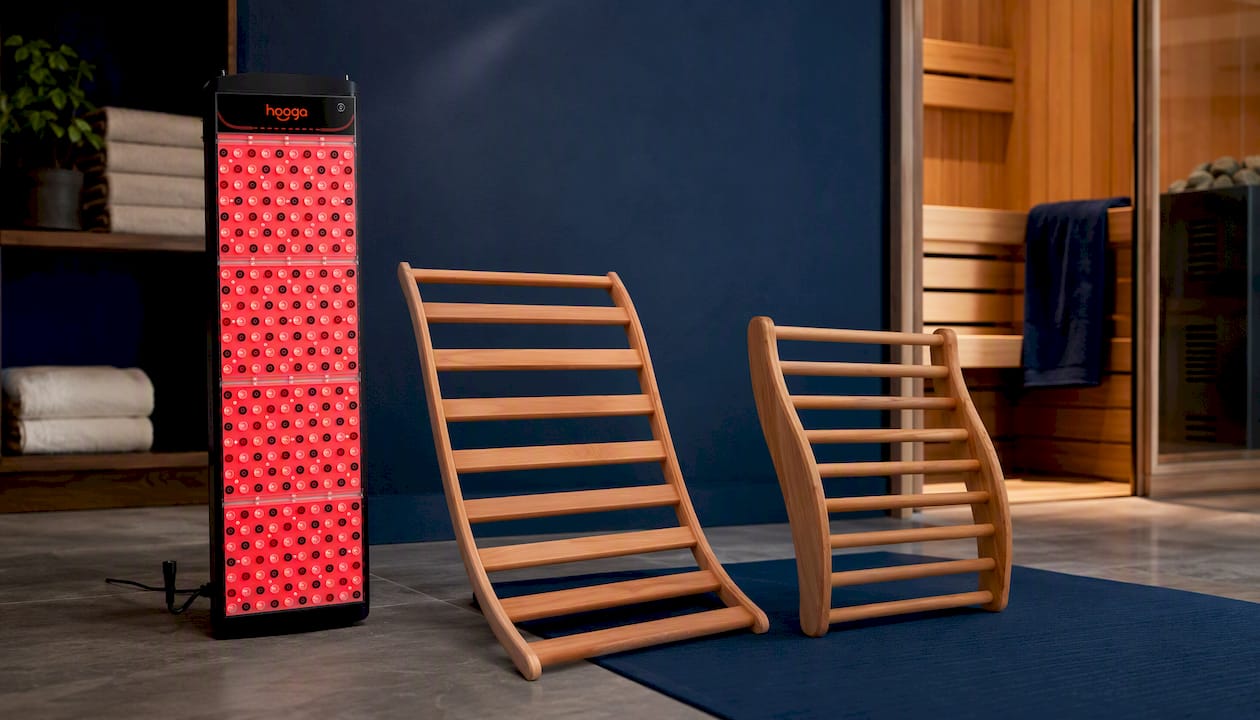
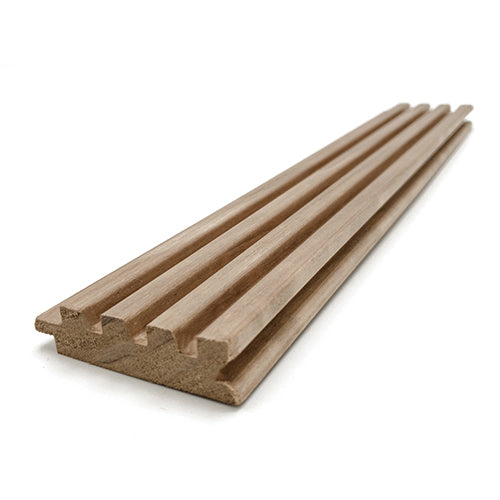
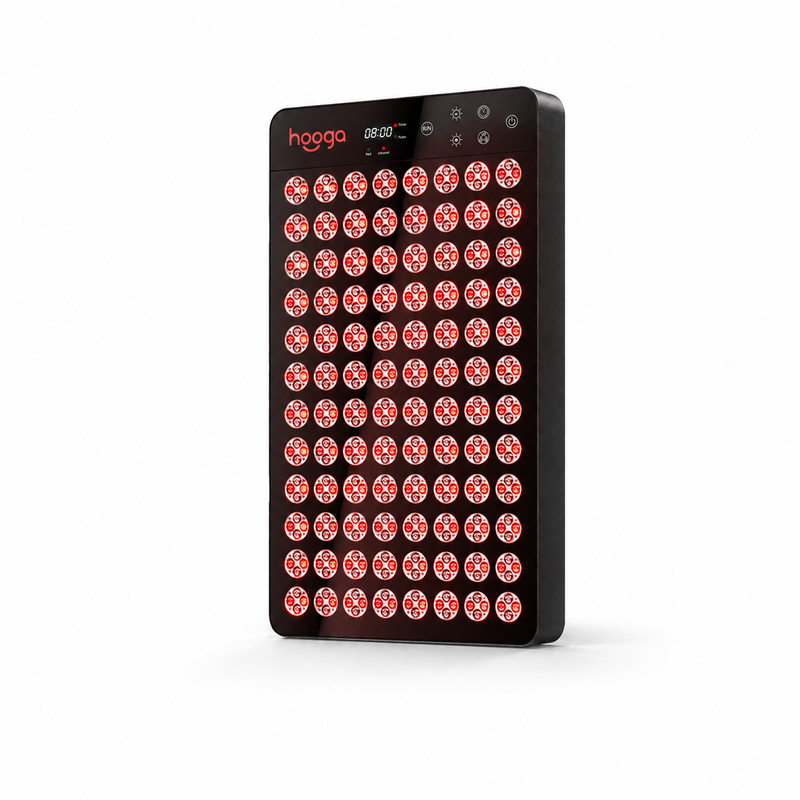
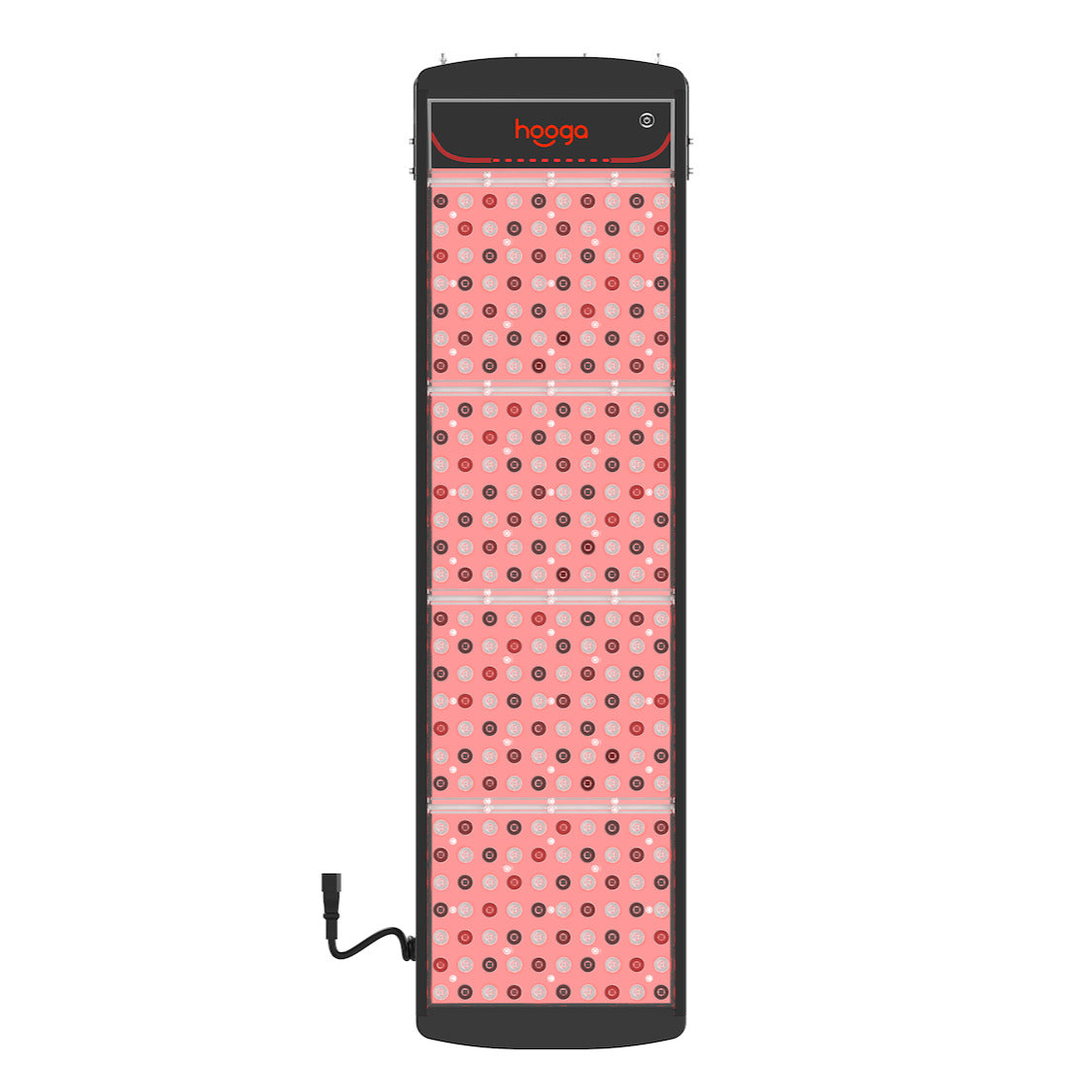
Saunaheatersupply carries the pieces that make a home recovery routine practical rather than aspirational. The SaunaPRO Red Light Therapy Panel pairs naturally with an infrared sauna protocol for athletes layering multiple recovery modalities into one session. For anyone spending real time on the bench during 20 to 30-minute sessions, comfort matters more than it seems. The Golden Designs 2-Person Ergonomic Sauna Back Rest in Red Cedar Wood and the Finnmark Ergonomic Cedar Backrest both improve posture and support during longer sessions, which makes hitting your weekly frequency target easier rather than something you have to grit your teeth through.
Browse Saunaheatersupply’s full lineup of infrared sauna kits and accessories to find a setup that fits your space and training schedule, and reach out to the team for guidance matching a unit to your recovery goals.
Frequently Asked Questions
Is 10 minutes in a sauna enough for muscle recovery? Ten minutes can offer some benefit, particularly at slightly higher temperatures, but the strongest RCT evidence used a full 20-minute session at around 43°C to measure soreness and power-retention outcomes.
How long after a workout should I use a sauna? Wait 10 to 15 minutes to let your heart rate settle, then aim to complete your sauna session within about an hour of finishing training, while the acute repair signaling window is still active.
Does sauna use help with muscle growth, not just recovery? Not clearly. A six-week study using repeated post-training infrared sauna found improvements in certain power metrics but no significant difference in muscle hypertrophy compared to controls.
Is infrared sauna better than a traditional sauna for recovery? The soreness and power-retention research used infrared specifically at moderate heat, while the endurance and plasma volume research often used hotter traditional saunas. Match the type to your training goal.
How often should athletes use sauna for recovery? Three to five sessions per week captures both the acute soreness-reduction benefit and the cumulative plasma volume and endurance adaptations documented in repeated-use studies.
Sources
Study populations vary between highly trained athletes and recreational exercisers, so results from the resistance-training RCTs may not transfer identically to someone newer to structured training. Read study design and sample details alongside the outcomes when comparing findings.
- A post-exercise infrared sauna session improves recovery of neuromuscular performance and muscle soreness after resistance exercise training
- Scoon et al. (endurance sauna adaptation study) — repeated post-exercise sauna and plasma volume
- A post-exercise infrared sauna session improves recovery of neuromuscular performance and muscle soreness after resistance exercise training
- Effects of repeated use of post-exercise infrared sauna on neuromuscular performance and muscle hypertrophy
- Hot baths and saunas: beneficial for your heart — Harvard Health