











Salt Wall Sauna for Homeowners: Plan Lighting Before Framing
A salt wall sauna is a sauna built with an interior wall surfaced in Himalayan salt blocks or panels, typically backlit to highlight the stone’s natural pink and amber tones. The main appeal is visual warmth paired with a mild salt-room atmosphere rather than a medical treatment, and it suits homeowners who value design and ambience and are prepared to plan installation and upkeep correctly.
TL;DR:
- Most home builds use a single accent wall; rough blocks need dedicated backing, while framed panels are lighter, faster to install, and often LED ready.
- Keep salt outside an electric or Finnish heater’s direct radiant zone; wood fired or steam setups also need humidity control to limit surface erosion.
- Halotherapy evidence remains limited; treat salt walls as wellness features, and people with heart or lung conditions, children, and pregnant people should seek medical advice.
- Dry brush or wipe the wall after each session, clean it more thoroughly monthly, and inspect nearby metal hardware for corrosion or salt damage.
- Before ordering, match the pack’s stated coverage to measured wall area and confirm its frame, mounting hardware, LED compatibility, warranty, and installation support.
Table of Contents
- What a Salt Wall Sauna Is and What It Adds
- Where to Place a Salt Wall in Your Home Sauna
- Salt Wall Materials: Blocks, Slabs, and Prebuilt Panels
- How Salt Walls Work With Different Sauna Heater Types
- Structural and Construction Checklist for a Durable Install
- What Salt Walls Can and Can’t Claim for Your Health
- Keeping a Salt Wall Looking and Performing Well
- Choosing Products and Suppliers for Your Project
- Balancing Luxury Design With Installation Realities
- How We Help You Build Your Salt Wall Sauna
- FAQ
- Sources
What a Salt Wall Sauna Is and What It Adds
A salt wall can mean a single accent wall covered in Himalayan salt blocks, or a full salt-room build where multiple surfaces carry the material. Most residential projects favor the accent-wall approach because it delivers the visual effect and halotherapy-style atmosphere without the structural load and cost of covering an entire room.
Salt is typically sold as rough-cut blocks, polished slabs, or prebuilt panels with mounting hardware already attached. What homeowners notice first is the color shift under heat and light, ranging from pale pink to deep amber, along with a subtle mineral scent and a sense of a saline microclimate inside the cabin.
- Single accent walls suit most home sauna footprints and budgets.
- Full salt-room builds work better in dedicated wellness spaces with reinforced framing.
- Polished and rough finishes both take backlighting well, though rough blocks scatter light more unevenly.
Where to Place a Salt Wall in Your Home Sauna
Placement comes down to sightlines and room size. In a small cabin, the wall opposite the door or bench often makes the strongest visual statement, since it’s the first surface a user sees when entering. In larger layouts, a side wall near the heater can work if clearances allow it.
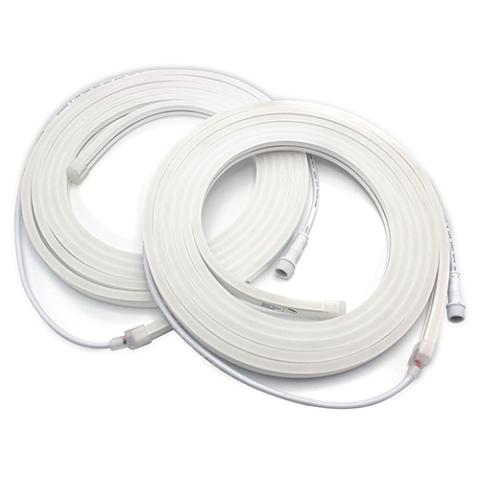
Wood pairings matter too. Cedar and hemlock, the most common sauna woods, both read warmly against salt’s pink and amber hues, while lighter woods like spruce create more contrast. Backlighting is usually built into a channel behind framed panels or embedded directly into panel seams, which keeps fixtures shielded from direct heat.
- Match wall placement to the first sightline from the sauna door.
- Choose warm-toned wood paneling to complement salt coloring rather than compete with it.
- Keep LED wiring routed away from direct heater exposure.
Pro Tip: Test a sample salt panel under your planned lighting color temperature before committing, since warm white LEDs bring out amber tones while cooler white light flattens them.
Salt Wall Materials: Blocks, Slabs, and Prebuilt Panels
Three material formats dominate the market, and each carries different installation demands. Rough blocks are the heaviest option and require a dedicated backing structure. Polished slabs offer a smoother finish with similar weight considerations. Prebuilt panels, often framed and pre-wired for LED channels, are the lightest and fastest to install since hardware and lighting provisions come built in.
Before ordering, calculate total wall face area and check the supplier’s coverage table against your measurements, since blocks and slabs are usually sold by weight or by the pack rather than by square foot. Confirm whether a panel includes mounting clips, a frame, or an LED channel, and verify that the pack’s shipping weight and crate dimensions fit your access points.
- Rough blocks: heaviest, most rustic look, require full backing frame.
- Polished slabs: smoother surface, similar structural demands as blocks.
- Framed panels: lightest, fastest install, often LED-ready out of the box.
How Salt Walls Work With Different Sauna Heater Types
Heater choice affects how a salt wall performs over time. Infrared saunas are increasingly sold with integrated Himalayan salt bars built into the heater panel itself, which keeps the salt at a consistent, moderate temperature rather than exposing it to the higher radiant heat of a traditional stove. Models like the Golden Designs Reserve Edition 1-2 Person infrared sauna and the Golden Designs Reserve Edition 2-Person infrared sauna build the salt bar directly into the unit, simplifying the pairing question entirely.
Electric and traditional Finnish heaters generate more direct radiant heat, so a salt wall needs clearance from the heater’s hot zone to avoid thermal stress on the blocks. Wood-fired and steam-capable setups introduce higher humidity swings, which can accelerate surface erosion on exposed salt if ventilation isn’t managed carefully.
- Infrared heaters with built-in salt bars remove most pairing guesswork.
- Electric and Finnish heaters need a salt wall kept outside the heater’s direct radiant zone.
- Wood-fired and steam systems call for tighter humidity control to protect salt surfaces.
Structural and Construction Checklist for a Durable Install
Salt blocks and panels are heavy, and a sauna’s humidity cycles add another layer of planning. A methodical build sequence keeps the wall safe and long-lasting.
- Build a dedicated backing frame with vertical furring strips and wet-rated plywood sized to the block pack’s total weight.
- Use concealed mechanical anchors rated for the panel weight, leaving a small expansion gap at panel edges.
- Install a moisture barrier behind the backing that still allows some breathability, since fully sealed assemblies trap condensation.
- Plan ventilation so incoming and outgoing airflow balances humidity without drying salt faster than intended, consistent with general indoor air quality guidance on controlling moisture in enclosed spaces.
- Route LED wiring and any electrical work through a licensed electrician, and check local permit requirements before work begins.
Pro Tip: Specify a replaceable panel system rather than a permanent bonded install, since it makes future repairs far simpler if a section ever needs replacing.
What Salt Walls Can and Can’t Claim for Your Health
Salt walls are a wellness feature, not a medical device, and the research backs that distinction. A review of halotherapy for chronic respiratory conditions found some studies report improvements in respiratory measures and quality of life, but evidence quality remains limited and halotherapy is best treated as an adjuvant rather than a primary therapy.
Several health sources urge caution for certain groups: people with preexisting heart or lung conditions, children, and pregnant individuals should consult a doctor before regular sauna or salt-room use, since heat exposure can cause dehydration, low blood pressure, or dizziness. Experts also note that salt rooms function as wellness amenities rather than certified medical equipment.
- Keep sessions moderate in length and stay hydrated before and after.
- Avoid stacking extreme contrast therapies (cold plunge immediately after sauna) without medical clearance.
- Clean and dry the space regularly, since warm, humid rooms can support bacterial growth if neglected.
Keeping a Salt Wall Looking and Performing Well
A salt wall needs simple, routine care rather than heavy maintenance. Dry brushing or wiping with a soft, dry cloth after each session keeps surface dust and mineral buildup from accumulating, and a monthly deeper wipe-down helps maintain the glow.
Protect nearby metal hardware and hinges from salt runoff, since airborne salt moisture can accelerate corrosion on unprotected fixtures over time, a concern echoed in facility-level commercial sauna maintenance guidance that applies just as well to home builds. Watch for pitting, crumbling edges, or uneven color as signs a panel section needs repair or replacement.
- Dry brush or wipe the wall after each sauna session.
- Do a deeper clean monthly to prevent dust buildup.
- Inspect hardware near the salt wall for early signs of corrosion.
Choosing Products and Suppliers for Your Project
A good product listing should spell out coverage area per pack, included hardware, LED compatibility, and clear shipping and return terms. Before ordering, ask suppliers about warranty length, lead time, and whether installation support is included or needs to be arranged separately. Commercial-scale design references, like this spa and fitness studio design portfolio, offer useful ideas for lighting and finish choices that translate well to residential builds, and showcases on natural material use in wellness spaces illustrate how stone and salt textures work together in a finished room.
For a turnkey pairing, the Saunum Air 7 Sauna Heater Package works well in builds where the salt wall is a separate accent feature, while the Golden Designs Reserve Edition infrared models fold the salt bar directly into the heater unit for a simpler, pre-matched setup.
- Check listed coverage area against your actual wall measurements.
- Confirm included hardware, LED channels, and frame type before ordering.
- Ask about warranty terms and installation scope upfront.
Balancing Luxury Design With Installation Realities
A salt wall is one of the highest-impact design choices available for a home sauna, transforming a plain cabin into a space that reads as a genuine wellness feature rather than a basic hot room. That said, it comes with real trade-offs: material and labor costs add up quickly, and coordinating an installer who understands both sauna construction and salt panel mounting takes more planning than a standard wood interior.
Our honest take is that the design payoff is worth it for most homeowners building a dedicated wellness space, provided they budget realistically and get a professional opinion on heater pairing and wall sizing before construction starts.
— Teddy
How We Help You Build Your Salt Wall Sauna
We carry the heater packages and salt-bar-equipped infrared saunas that make pairing decisions straightforward, so you’re not guessing about clearances or compatibility. Our Saunum Air 7 Sauna Heater Package pairs well with a standalone salt accent wall, and our Golden Designs Reserve Edition infrared saunas come with the salt bar built in, cutting out a separate sourcing step entirely.

If you’re ready to talk through your space, have your room dimensions, preferred heater type, and any electrical constraints on hand when you reach out through our site so our team can match you with the right sauna or sauna heater for your project, backed by our price match guarantee and fast shipping.
This article is general information, not a substitute for advice from a qualified doctor. Consult a qualified healthcare professional about your own circumstances before acting on anything here.

FAQ
What does a salt sauna do for you?
A salt sauna combines sauna heat with a Himalayan salt wall, creating a visual and atmospheric experience often associated with halotherapy. Some reviews report modest respiratory or quality-of-life improvements in salt-room settings, though it should be treated as a wellness adjunct rather than medical treatment.
What is the difference between a salt sauna and a regular sauna?
A regular sauna heats a wood-lined room to produce dry or wet heat for relaxation and sweating. A salt sauna adds a Himalayan salt wall or panel feature to that same heat experience, layering in a mineral-rich atmosphere and distinct visual glow.
Who should not do halotherapy?
People with preexisting heart or lung conditions, children, and pregnant individuals should consult a doctor before using saunas or salt therapy spaces, since heat exposure can trigger dehydration or dizziness. Anyone currently sick with a respiratory infection should also check with a clinician first.
Do you need to shower after a salt cave?
A quick rinse after a salt sauna session is a reasonable habit to remove surface salt residue and sweat from skin. It isn’t a strict medical requirement, but it helps with comfort and keeps salt particles from irritating skin or clothing afterward.
Sources
- Ice Baths and Saunas: Are the Latest Health Trends Bad for Your Lungs? | American Lung Association
- A review of halotherapy for chronic obstructive pulmonary disease - PMC
- Improving Indoor Air Quality | EPA