











Plan Gas Sauna Heater Cost: $3,600–$6,000 Retail, $827–$5,655 Installed
Entry-level gas sauna heaters typically retail between $3,600 and $6,000 or more depending on capacity, according to sample product listings. Add installation, and most homeowners should plan for a total project budget in the range of $827 to $5,655, depending on gas line work, venting, and labor. Get at least three installer quotes and confirm your home’s fuel supply (natural gas or propane) before you commit to a model.
TL;DR:
- Most installation costs range from $827 to $5,655, depending on gas line complexity, venting needs, and existing infrastructure.
- Heaters priced between $3,600 and $6,000 vary primarily based on BTU output, stone capacity, control features, and mounting style.
- Proper site assessment, including room size and gas supply, is essential to get accurate quotes and avoid unexpected expenses.
- Choosing a kit can streamline costs and simplify comparison, with options suited for different budgets and aesthetic preferences.
- Considering electric options may reduce installation costs if existing gas and venting infrastructure are unavailable or costly to establish.
Table of Contents
- Retail price ranges by heater type and capacity
- Installation and site prep costs: typical ranges and main cost drivers
- How to estimate your installed cost and get reliable quotes
- Why choose Sauna Heater Supply: what we sell and how our resources help buyers control cost
- What matters more than the sticker price
- Ready to compare kits and get a quote
- Sources
- FAQ
Retail price ranges by heater type and capacity
Gas sauna heater prices track closely with BTU output and stone capacity, so the sticker price you see on a product page usually reflects how much space the unit is built to heat. Entry-level residential units start lower, while high-capacity or commercial-grade heaters climb well past the $5,000 mark.
Sample retail listings show gas sauna heaters commonly priced from around $3,600 to $6,000 or more, with the higher end reserved for large-capacity or commercial models. A few factors push that price up or down:
- BTU rating: Higher-output heaters designed for larger rooms or commercial use cost more than compact residential models.
- Stone capacity: Units built to hold more sauna stones tend to carry a higher price because they need larger heating chambers.
- Control features: Digital thermostats and programmable controls add to the base price compared to manual dial models.
- Mounting style: Floor-standing heaters generally cost more than wall-mounted units of similar output.
Shipping and lead time also factor into what you pay at checkout. Some retail listings note that units ship within about a week, while others carry longer lead times on backordered or custom models. A heater with a lower sticker price but a long wait, or one with added freight charges, can end up costing close to the same as a pricier unit with fast, included shipping.
Installation and site prep costs: typical ranges and main cost drivers
Buying the heater is only part of the budget. Installation costs vary widely based on your home’s existing gas infrastructure, venting needs, and local labor rates.

The national average cost to install a gas heater ranges from about $827 to $5,655, with simple swaps landing near the low end and complex new installations pushing toward the high end. For comparison, a straightforward gas wall heater install runs closer to $1,720 to $2,065 on average, according to HomeWyse’s cost calculator, which breaks the estimate down by labor and materials.
A few line items typically make up that total:
- Gas line work: Running a new line or upgrading an existing one to handle the heater’s demand.
- Venting or flue installation: Vented units require ductwork or a flue path to the exterior, which adds labor and materials.
- Labor hours: Skilled technicians charge by the hour, and complex layouts take longer to complete.
- Permits: Most municipalities require a permit for gas line and venting work, adding a fixed fee to the project.
- Disposal or structural prep: Removing an old unit or modifying framing to fit the new heater adds to the bill.
Fuel type also changes the math. Propane installations sometimes require a dedicated tank and regulator setup, while natural gas installs depend on how close your existing line runs to the sauna. Ventless designs cut down on flue work but are less common in residential gas sauna heaters, so most buyers should plan for venting costs as a standard line item. Tight crawl spaces, finished walls, or long line runs all add labor hours regardless of fuel type.
How to estimate your installed cost and get reliable quotes
Before you call an installer, gather the details that let a contractor give you an accurate number instead of a rough guess. Missing information is the most common reason quotes come back inconsistent.
- Room dimensions: Square footage and ceiling height determine the BTU output you need.
- Desired temperature: Higher target temperatures may call for a higher-output heater.
- Existing gas supply: Note whether you already have a line nearby or need one run from scratch.
- Vent access: Confirm whether an exterior wall or roof penetration is feasible for flue installation.
- Electrical availability: Digital controls and blowers may need a dedicated circuit.
- Preferred BTU range: Bring a target number so installers quote apples-to-apples.
When you request bids, ask each installer for an itemized scope covering parts, labor, permits, timeline, and warranty terms, plus references from past gas sauna installs. Comparing itemized quotes side by side makes it much easier to spot which bid is padded and which reflects your actual job.
Pro Tip: Schedule installation in the off-season (late spring or summer) when heating contractors have more open availability and are often more flexible on price.
Ask about package pricing that bundles the heater and install labor, and check whether a retailer offers a price match if you find the same model listed lower elsewhere through Spa SEO Services | Be Preferred & Boost Bookings.
Why choose Sauna Heater Supply: what we sell and how our resources help buyers control cost
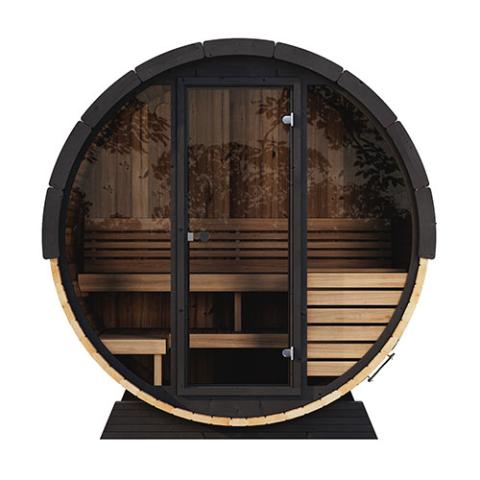
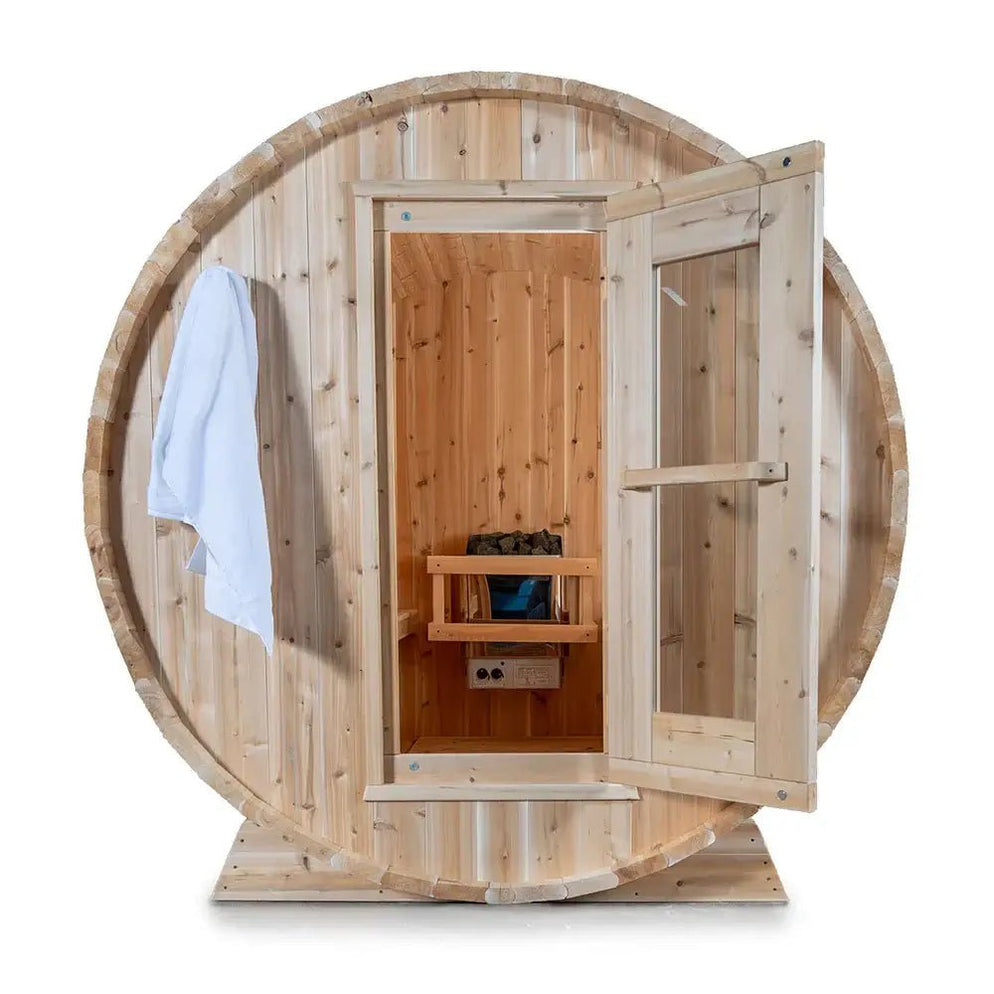
Sauna Heater Supply carries a range of sauna heaters and full sauna kits so buyers can compare packaged options against buying a heater and cabin separately. Three kits that illustrate the range of budgets buyers work with:
- Auroom Libera Glass Cabin Sauna Kit: A glass-walled cabin design for buyers who want visibility and a modern look in the finished space.
- Auroom Lumina Cabin Sauna: A cabin kit built for buyers prioritizing a compact footprint without sacrificing interior finish quality.
- Auroom Libera Wood Cabin Sauna Kit: A traditional wood-paneled cabin for buyers who prefer a fully enclosed, classic sauna look.
Sauna Heater Supply also publishes guides on running costs and a step-by-step installation guide that help buyers estimate both the upfront and lifetime cost of a sauna heater before they order. Buyers working through their budget also get a price match guarantee, shipping and lead time details listed on product pages, and access to installation resources that outline gas line and venting steps before work begins.
What matters more than the sticker price

The retail price on a gas sauna heater’s product page tells you less than most buyers assume. Two heaters priced within a few hundred dollars of each other can lead to installed costs that differ by thousands, depending on whether your home already has a gas line nearby and whether venting requires new ductwork or a simple flue run. Buyers who shop by sticker price alone often get blindsided at the installer quote stage.
The more useful exercise is working backward from your home’s existing infrastructure. If you already have a gas line and a viable vent path, a mid-range heater installed cost stays closer to the low end of the national range. If you’re starting from scratch, that gap between retail price and installed cost widens fast, and it’s worth weighing whether an electric heater, which skips gas line and venting work entirely, fits your project better. Readers comparing wood burning versus electric options should run that comparison before locking in a gas model. Prioritize a site assessment before you fall in love with a specific heater.
— Teddy
Ready to compare kits and get a quote
Once you know your rough budget, the fastest way to lock in a real number is to look at complete kits rather than piecing together a heater, cabin, and installer separately. Sauna Heater Supply lists Saunas and Sauna Heaters side by side, so you can see how a packaged kit compares to a standalone heater purchase before you request installation pricing.

- Browse the Auroom Libera Glass Cabin Sauna Kit, Auroom Lumina Cabin Sauna, or Auroom Libera Wood Cabin Sauna Kit to compare finishes and layouts.
- Contact the team for a custom quote covering Professional Sauna Installation or Custom Sauna Design Solutions.
- Ask about the price match guarantee and current shipping timelines before you place your order.
Visit Sauna Heater Supply to view current kits and request pricing for your space.
Sources
- 2026 Gas Heater Installation Cost: Prices & Factors | Thumbtack
- Cost to Install Gas Wall Heater - 2026 Cost Calculator (Customizable)
FAQ
How much do sauna heaters cost?
Gas sauna heaters typically retail between $3,600 and $6,000 or more depending on BTU output and stone capacity. Installation adds to that total, with national averages for gas heater installs running $827 to $5,655 based on project complexity.
Is it cheaper to have a gas heater or electric?
Gas heaters generally involve higher installation costs than electric models because they require gas line work and venting, while electric heaters mainly need an adequate electrical circuit. Ongoing fuel costs depend on local utility rates for gas versus electricity, so the cheaper option varies by household and region.
Is there a natural gas sauna heater?
Yes, gas sauna heaters are available in both natural gas and propane configurations, and the right choice depends on which fuel line already runs to your home. Propane setups sometimes require a dedicated tank, while natural gas installs rely on proximity to an existing gas line.
What type of heater is best for a sauna?
The best heater type depends on your home’s existing utilities, budget, and desired heat-up time: electric heaters suit homes without gas access, wood-fired heaters suit buyers who want a traditional experience, and gas heaters suit buyers who already have gas service and want strong, consistent heat output. Reviewing a wood versus electric comparison alongside gas options can help narrow the choice before you request quotes.