










Barrel Sauna Leaking? Owners Can Fix Most Leaks in a Weekend
Minor seepage on a barrel sauna is normal and rarely a threat to the unit. Active dripping, pooled water underneath the barrel, or moisture reaching the heater or wiring is not normal and means you stop using the sauna immediately. Cut power at the breaker, check band tension, and dry out the interior before you do anything else. From there, the fix is almost always drainage, bands, or a roof, not a new sauna.
TL;DR:
- Loosen and re-tension bands regularly, especially after the initial heat cycles, to prevent gaps caused by wood shrinkage and movement.
- Installing a proper roof or rain jacket, along with ensuring a 1-2 percent slope away from the sauna and proper site drainage, significantly reduces water ingress and rot risks.
- Using at least 1.5-inch thick, rot-resistant cedar or hemlock staves and stainless steel bands extends the lifespan and minimizes seal failures over time.
- Conducting seasonal inspections focused on band tightness, stave seams, and foundation slope can prevent most leaks before they start.
- Upgrading to high-capacity, weatherproof heaters with proper placement and controls promotes dry, stable interior conditions, reducing moisture-related looseness and rot.
Table of Contents
- What Causes a Barrel Sauna to Leak?
- How Do You Find Where a Barrel Sauna Is Leaking?
- Fixing a Leaking Barrel Sauna Yourself
- Preventing Leaks: A Seasonal Maintenance Checklist
- Materials and Hardware That Reduce Leak Risk From the Start
- Site and Foundation Fixes That Stop Leaks at the Ground
- When a Barrel Sauna Leak Needs a Professional
- Why Heater Choice Affects Leak Risk Too
- Prioritized Fixes: Where to Spend Your Time First
- Replacement Heaters and Parts From Sauna Heater Supply
- Sources
- FAQ
What Causes a Barrel Sauna to Leak?
Wood is the starting point for almost every leak. Cedar and other stave woods expand and contract with humidity, and gaps open when staves dry out faster than the bands can compensate. Manufacturer manuals for barrel-style units note that staves often shrink during the first heating and drying cycles, which loosens the very bands meant to hold everything tight.
That loosening is the second major cause. Bands that aren’t re-tensioned after the initial break-in period, or that have started rusting, lose clamping force and let staves separate at the seams.
Beyond the barrel itself, four other factors drive most leak complaints:
- Direct rain exposure with no roof or rain jacket, which soaks staves repeatedly instead of letting them shed water and dry
- Poor site drainage, where the sauna sits on low ground or an unsloped pad and water backs up against the lowest stave course
- Thin or lower-grade staves, since undersized wood moves more and seals less reliably than thicker stock
- Corroded or undersized hardware, particularly bands not rated for outdoor, high-humidity use
Trade guides tracking barrel sauna failures point to drainage and roof absence as two of the most common root causes reported by owners, ahead of manufacturing defects.
How Do You Find Where a Barrel Sauna Is Leaking?
Timing tells you almost everything. Water that shows up during or right after rain points to exterior ingress. Moisture that appears only after a sauna session usually means condensation or a heater issue, not a structural leak.
Work through the source systematically:
- Check band tension first. Push on a few staves near each band. Any give means the band needs tightening before you look anywhere else.
- Inspect stave seams for visible gaps, especially near the roofline and the base, where wood movement is most pronounced.
- Look at ceiling and bench surfaces for dark spots or soft wood, which indicate condensation pooling rather than rain intrusion.
- Cut power at the breaker, then open the heater housing and junction box to check for moisture, corrosion, or water tracking down wiring.
- Run a dry-and-test cycle: towel-dry the interior completely, heat the sauna for a normal session with no water added, and check afterward whether moisture reappeared without contact water.
Pro Tip: Press a strip of paper towel against a suspect seam or band joint overnight. A wet, tea-colored stain traces the exact path water is taking, which saves you from chasing the wrong seam.
Never touch heater wiring or the junction box with power connected. Barrel saunas mount heaters close to the wall, so any water intrusion near electrical components warrants a full power cut until you confirm the source.
Fixing a Leaking Barrel Sauna Yourself
Most leaks trace back to bands, seams, or exterior exposure, and all three respond to straightforward DIY work.
Tightening bands comes first. Loosen each band slightly, then retighten in small, even increments working from the center bands outward, checking stave alignment as you go. Overtightening one band before the others creates uneven pressure and can crack staves, so patience matters more than torque here. Owner manuals recommend rechecking tension after the first few heating cycles, since staves continue settling as residual moisture leaves the wood.
Band maintenance keeps hardware from becoming the next problem:
- Remove surface rust with a wire brush before it pits the metal
- Apply a rust converter, then a coat of paste wax to slow future corrosion
- Upgrade to stainless bands once galvanized hardware shows repeated rust after two or three seasons
For stave seams, sealant choice matters. Exterior-grade caulk works on outside seams and trim, but avoid sealing the interior. Energy stresses applying sealant only to clean, dry surfaces with a material rated for the exposure, and interior sauna surfaces need to breathe, not seal, or you trap moisture inside the wood.
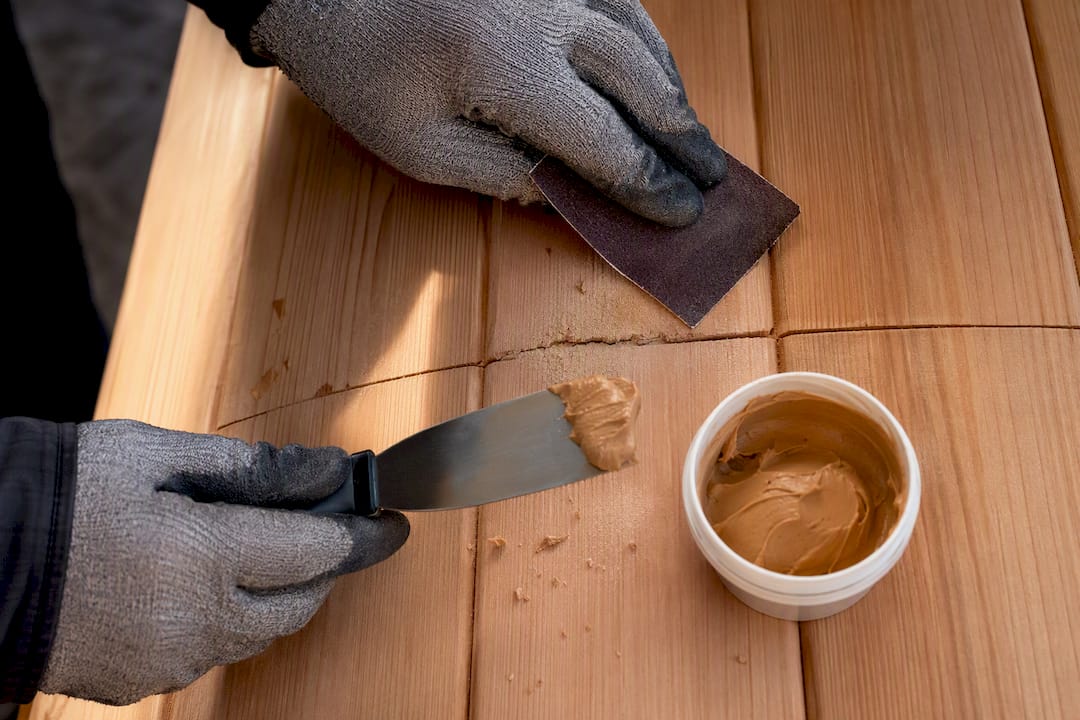
Small cracks in individual staves are fixable without full replacement: let the area dry completely, sand back to solid wood, fill with a wood-appropriate exterior filler, and reseat the stave against its neighbors before retightening bands.
Pro Tip: A temporary tarp or rain jacket bought the same day you spot a leak buys time for a proper fix, but never wrap a barrel sauna in plastic that traps interior humidity. Trapped moisture rots staves faster than rain ever will.
Preventing Leaks: A Seasonal Maintenance Checklist
Stopping leaks before they start comes down to four things: site prep, a roof, band care, and drying routine. Site-prep guidance from barrel sauna buying guides consistently ranks drainage and roofing as the two highest-impact fixes available to owners.
Work through this schedule:
- Confirm a 1 to 2 percent slope away from the barrel and a 4 to 6 inch bed of compacted crushed stone underneath, so water never pools against the lowest stave course.
- Add a roof or rain jacket that still allows airflow underneath. A sealed, non-breathing cover traps humidity just as badly as no cover at all.
- Inspect and re-tension bands every spring, then again before the wettest part of your local season.
- Wax or repaint exposed bands annually, or more often in coastal or high-humidity climates.
- Leave the door and vents open 30 to 60 minutes after every session. This single habit prevents bench rot and mold more reliably than any interior sealant.
- Do a full inspection at three checkpoints: early spring for winter damage, pre-winter for band tightness, and immediately after any hard freeze or heavy storm season.
Materials and Hardware That Reduce Leak Risk From the Start
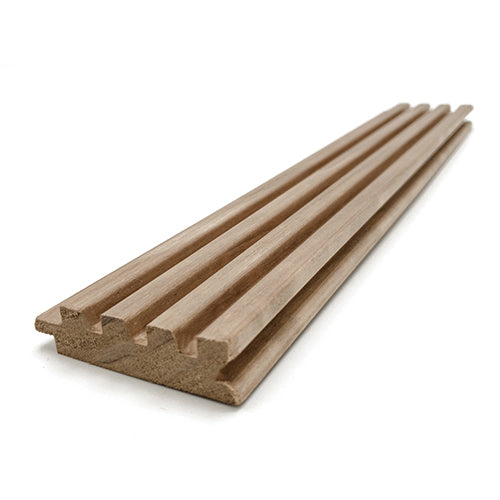
Stave thickness sets the baseline for how much movement a barrel can tolerate before gaps open. Aim for staves of 1.5 inches or thicker where available. Thinner stock flexes more with humidity swings and seals less reliably over time.
Wood species matters just as much. Cedar and hemlock both resist rot naturally, but they expand and contract at different rates when wet, and thermally modified wood generally shows lower radial expansion than untreated cedar, which means tighter seams over more seasons.
Band material determines how long your hardware lasts:
- Galvanized bands are the standard budget option but typically show surface rust within two to three seasons in humid climates
- 304 stainless bands resist corrosion far longer and suit most residential settings
- 316 stainless is worth the upgrade cost in coastal or high-salt environments
A factory roof integrated into the barrel’s design usually outperforms an aftermarket rain jacket for fit and airflow, though a well-vented aftermarket cover is a reasonable retrofit for units that shipped without one.
Site and Foundation Fixes That Stop Leaks at the Ground
Most rot problems start at the lowest stave course, where standing water has the most contact time with wood. A gravel pad prevents that by letting water drain through instead of pooling against the base.
The specifics that matter:
- A 1 to 2 percent slope moves water away from the barrel instead of letting it collect underneath
- 4 to 6 inches of compacted crushed stone creates a base that drains fast and doesn’t wick moisture upward the way bare soil does
- A flat, unsloped concrete pad is often worse than gravel because it holds a thin sheet of water against the base with nowhere to go; if concrete is unavoidable, add a ventilated base platform to lift the barrel off the slab
- Trench drains or a simple French drain solve chronic pooling on sites where regrading isn’t practical
If your current site slopes toward the sauna instead of away from it, that’s the fix to prioritize before touching anything else.
When a Barrel Sauna Leak Needs a Professional
Some problems go past DIY territory fast. Call a contractor or electrician when you see:
- Soft, spongy, or discolored staves at the base, which usually means rot has already started and staves need replacement, not sealing
- Any GFCI tripping, buzzing, or scorch marks near the heater or junction box, which calls for a licensed electrician immediately, not a DIY inspection
- Standing water or grade problems that gravel and slope adjustments haven’t fixed, which points to a foundation or drainage contractor
- Repeated leaks after band and seam repairs, which often means a structural issue with the base platform itself
When you call for an estimate, document the leak’s timing (rain versus post-session), photograph wet areas, and note which repairs you’ve already tried. That detail gets you a faster, more accurate quote.
Why Heater Choice Affects Leak Risk Too
Heater sizing and placement matter more to leak prevention than most owners expect. An undersized heater struggles to fully dry the cabin after use, leaving residual humidity in the wood that speeds up the same expansion and contraction cycles that loosen bands and open seams. Choosing a properly sized heater with reliable controls, like the options in Sauna Heater Supply’s Saunum lineup, helps the cabin heat and dry evenly instead of leaving cold, damp corners.
Weatherproofing extends past the heater itself. A weatherproof control enclosure keeps controls protected from the same moisture that damages staves, which matters most on outdoor installations exposed to rain and snow. Sauna Heater Supply works with homeowners and contractors on both new installs and replacement parts, matching heater capacity to cabin size so drying performance, not just heat, stays part of the equation.
Prioritized Fixes: Where to Spend Your Time First
If I had to rank every fix in this article by return on effort, drainage and bands win, by a wide margin. A gravel pad and correct slope cost a weekend and some crushed stone, yet they prevent the rot that ruins a barrel sauna from the bottom up. Band maintenance costs even less: an hour with a wrench and a can of rust converter buys another season of tight seams.
Cosmetic fixes, sealants, and stain touch-ups matter far less than owners assume. In wet or coastal climates, a breathable roof and 316 stainless bands earn back their cost fast. Pair that with a simple post-session drying habit and a short seasonal checklist, and most leaks never get the chance to start.
— Teddy
Replacement Heaters and Parts From Sauna Heater Supply
A barrel sauna that dries fully between sessions holds up far longer than one left damp, and heater choice drives that outcome directly. Heater packages sized for this purpose help cabins heat evenly and dry completely instead of trapping moisture in corners where rot starts.
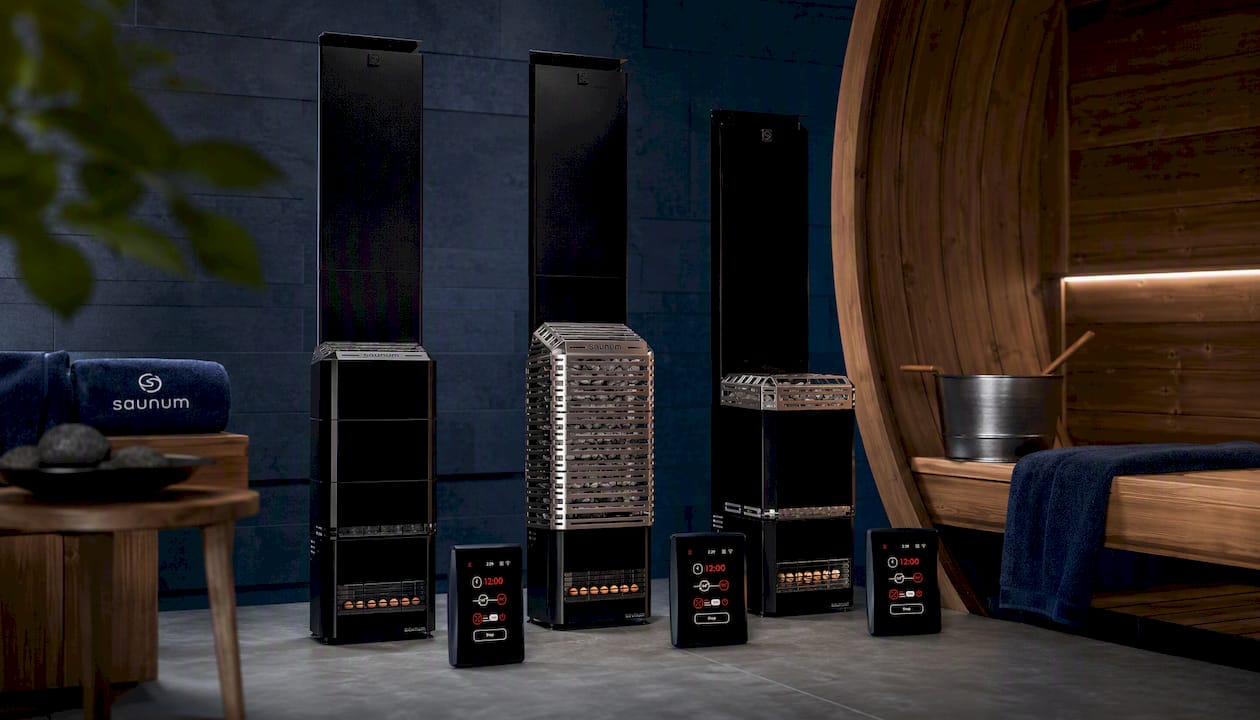
The Saunum Air 7 Sauna Heater Package suits small to mid-sized barrels and gives owners replacing an aging or undersized heater a straightforward upgrade path. Larger cabins do better with the Saunum Air L 15 Package, built for higher-capacity spaces where a smaller heater would leave the far end of the barrel cold and damp. For owners who want monitoring on top of heat output, the Saunum AIR 5 CSB WiFi Sauna Heater Package adds remote control so you can confirm the cabin fully cycles dry after every session, even when you’re not standing next to it.
Browse heater packages by cabin size, order replacement bands and hardware, or contact a supplier directly for help matching a heater to your specific barrel dimensions before you buy.
Sources
Owner manuals from barrel sauna manufacturers cover normal seepage and band re-tensioning in detail and are worth keeping on hand. Energy.gov’s caulking guidance explains sealant application for exterior wood surfaces, and federal notes on cedar and hemlock explain the species differences that affect stave durability.
- ALMOST HEAVEN SAUNAS Phoenix Barrel Sauna Owner’s Manual
- Cedar and hemlock trees - FWS
- 7 Barrel Sauna Buying Mistakes That Cost You Thousands | UseSauna
FAQ
How Do You Stop a Barrel Sauna From Leaking?
Start with band tension and stave seams, since loose bands cause most active leaks, then add a breathable roof or rain jacket and correct any drainage slope issues at the base.
What Is the Lifespan of a Barrel Sauna?
A well-maintained barrel sauna with proper drainage, band care, and a roof typically lasts many years longer than one left exposed on flat, unsloped ground, though exact lifespan depends heavily on climate and maintenance consistency.
What Is the Main Problem With Barrel Saunas?
The curved design sheds rain well but isn’t fully waterproof on its own; without a roof or rain jacket and proper site drainage, staves absorb repeated moisture that leads to gaps, rot, and band loosening.
How Long Does a Sauna Typically Last?
Indoor saunas often outlast outdoor barrel units simply because they avoid direct weather exposure, but an outdoor barrel sauna with a gravel pad, proper slope, stainless bands, and regular drying routines closes most of that gap.
Is Some Water Seepage on a New Barrel Sauna Normal?
Yes. Minor seepage during the first few weeks is common as staves settle, and manufacturer guidance confirms it typically evaporates once the unit is heated; active dripping or pooling is not normal and needs attention.